Why Choosing the Right Fabric for Your Awning Matters in Kelowna’s Sun
If you live in Kelowna, you know the sun doesn’t mess around here. With over 2,000 hours of sunshine annually and summer temperatures regularly pushing past 30°C, your awning fabric faces a serious workout. The difference between choosing the right material and settling for whatever looks good at the store? That could be the difference between an awning that lasts a decade and one that’s faded and sagging within two summers.
Understanding Kelowna’s Climate Demands
Kelowna’s climate is gorgeous but brutal on outdoor fabrics. The intense UV rays at this altitude don’t just fade colors, they actually break down the fibers in your awning material. Add in the Okanagan’s famous dry heat, occasional summer storms, and those gusty winds that sweep across the lake, and you’ve got a perfect storm for fabric stress.
What makes Kelowna particularly challenging is the temperature swing. Your awning needs to handle scorching 35°C afternoons in July and then survive -10°C winter nights if you leave it up year-round. Not every fabric can handle that kind of punishment, which is why choosing materials with proper weather resistance and durability matters so much here.
The dry climate might make you think mildew resistance isn’t important, but here’s the thing: morning dew, the occasional rainstorm, and even your sprinkler system can create moisture pockets. Without proper mold resistance, those shaded spots under your awning become breeding grounds for problems you definitely don’t want.
The Best Awning Fabrics for Kelowna Homes
Let’s talk about what actually works in our climate, starting with the gold standard.
Solution-Dyed Acrylic: The Premium Choice for Kelowna
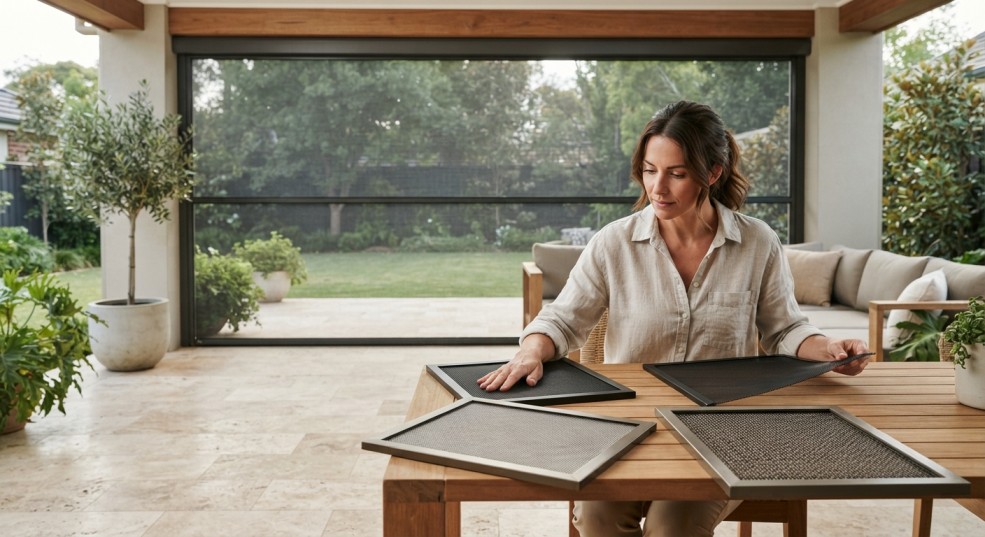
Solution-dyed acrylic fabric, particularly Sunbrella, is hands-down the best choice for most Kelowna homeowners. This isn’t just marketing hype, the way these fabrics are made actually matters. The color is dyed into the fiber before it’s woven, which means UV rays can’t strip it out like they do with surface-dyed materials. You get incredible fade resistance and color retention that keeps your patio looking sharp year after year.
The breathability of acrylic fabric is perfect for our hot summers. Unlike vinyl that traps heat underneath, acrylic allows air circulation while still blocking UV rays and providing excellent solar protection. You’ll actually notice the difference in thermal performance if your shaded area stays cooler, which translates directly to energy savings when that heat isn’t radiating into your home.
Most quality acrylic awnings come with a 5-year to 10-year warranty, and many exceed that lifespan in real-world use. Yes, they cost more upfront, but when you factor in not needing fabric replacement every few seasons, the math works out.
Vinyl-Coated Polyester: The Waterproof Workhorse
Vinyl-coated polyester is your second-best option, especially if you need serious water resistance. This material is practically waterproof, making it ideal for areas where you want complete rain protection. The vinyl coating also provides excellent mildew resistance and makes cleaning a breeze just hose it off.
The downside? It’s not as breathable, so heat can build up underneath during those scorching July afternoons. The material can also get stiff in cold weather, which isn’t ideal if you’re planning year-round use. But for commercial awnings or covered outdoor dining areas where you need guaranteed rain protection, vinyl-coated polyester delivers.
Standard Polyester: The Budget-Friendly Option
Standard polyester fabric works if you’re on a tight budget, but keep your expectations realistic. It offers decent UV protection and durability for the price, but you’re looking at more frequent cleaning and potentially needing fabric replacement within 5-7 years instead of 10+. For temporary installations or if you’re planning to upgrade your outdoor space soon anyway, it’s a practical choice.
Canvas Fabric: Beautiful But High-Maintenance
Here’s what to avoid: canvas fabric or traditional cotton materials. They might have that classic look, but in Kelowna’s intense sun, they’re basically asking for trouble. Canvas absorbs water, fades quickly despite any coatings, and requires constant maintenance. Unless you’re going for a very specific aesthetic and don’t mind replacing it every couple of years, skip it.
PVC and Heavy-Duty Vinyl: Commercial-Grade Protection
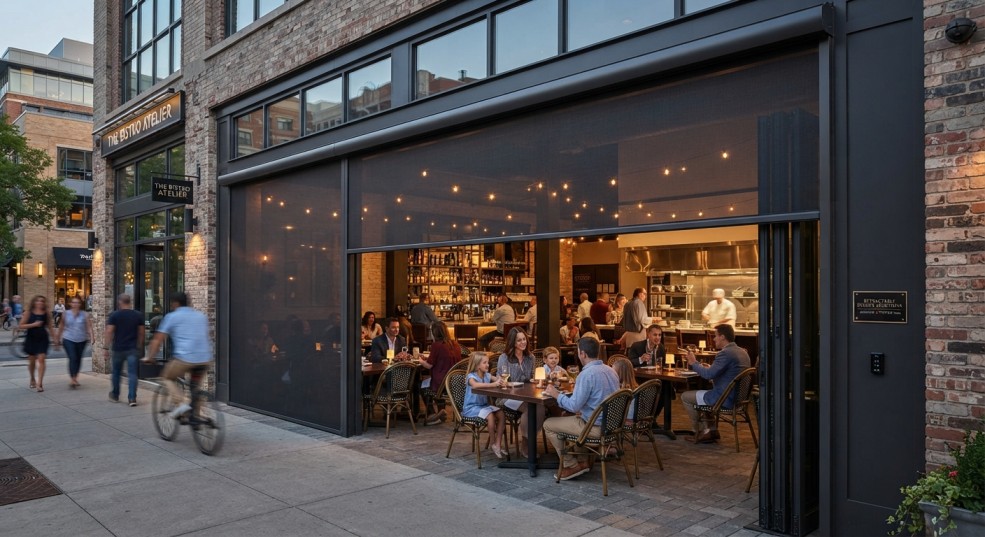
PVC fabric and heavy-duty vinyl options are overkill for most residential applications, though they shine in commercial settings. They offer maximum durability and fire resistance (important during wildfire season), but the weight and limited flexibility make them less practical for typical patio awnings.
What Really Matters: Performance in Our Climate
UV protection isn’t just about preventing fading, it’s about structural integrity. Every hour your awning sits in Kelowna’s sun, UV rays are attacking the molecular bonds in the fabric. Quality materials with built-in UV resistance maintain their tear resistance and overall durability far longer than cheaper alternatives.
Think about the actual sun exposure your awning will get. South-facing installations take the worst beating and absolutely need top-tier fade resistance. West-facing awnings get hammered by afternoon heat, making thermal performance and heat protection critical. Even north-facing awnings need solid weather resistance to handle our occasional storms and winter precipitation.
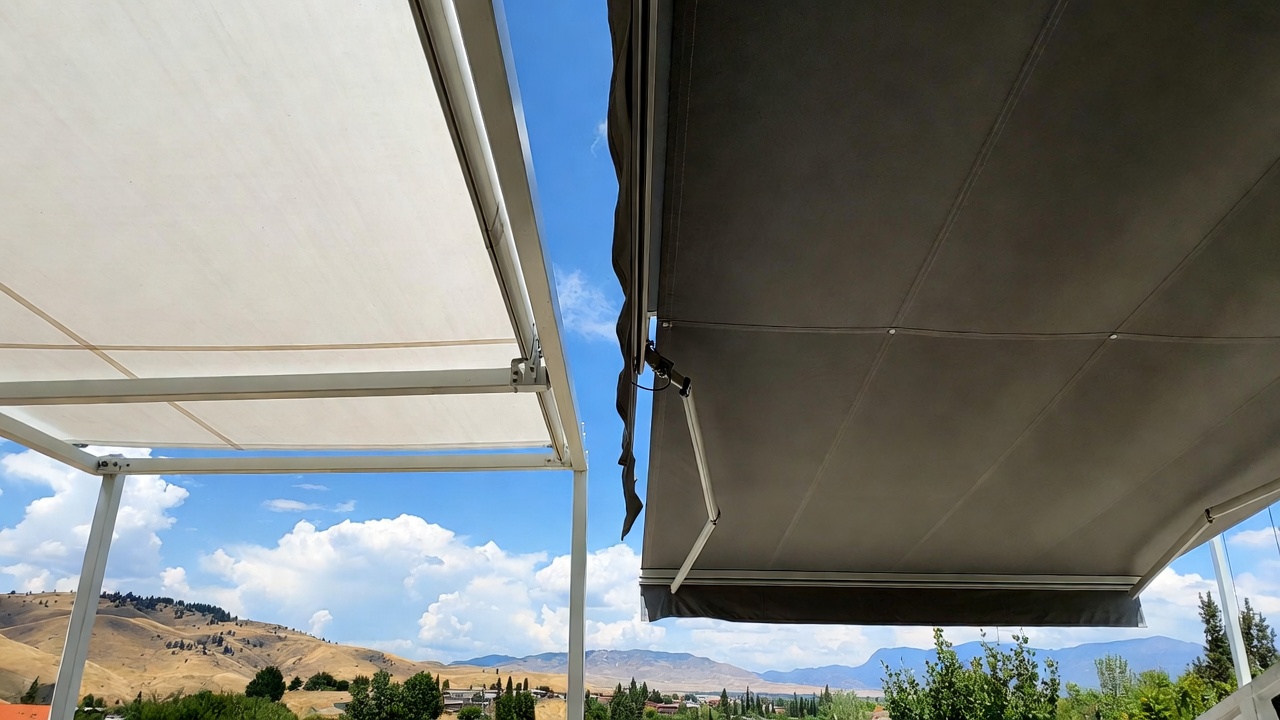
The color choice matters more than you might think. Light colors vs dark colors isn’t just aesthetic, physics is involved. Lighter fabrics reflect more heat, keeping your outdoor space cooler and contributing to energy savings by reducing how much heat radiates toward your windows. Dark colors absorb more energy, which can actually create a heat trap underneath. For maximum cooling costs reduction, stick with lighter shades, especially on south and west exposures.
Maintenance requirements vary dramatically between materials. Solution-dyed acrylic is relatively easy to clean with just mild soap and water a couple times per season. Vinyl-coated polyester is even easier, literally just spray it down. Canvas requires dedicated cleaning products, frequent attention, and even with perfect care, it won’t last as long in our climate.
Making Your Decision
Here’s the practical approach: if you’re investing in a quality awning system and want it to look good and perform well for the next decade, spend the extra money on solution-dyed acrylic. The superior colorfastness, UV resistance, and overall durability make it worth every penny in Kelowna’s harsh sun exposure.
For covered outdoor kitchens or dining areas where water resistance is your priority, vinyl-coated polyester makes sense. Just be aware of the breathability trade-off and plan accordingly.
Whatever you choose, pay attention to the warranty. A solid 10-year warranty backed by a reputable manufacturer like Sunbrella tells you they stand behind their fabric’s fade resistance and weather resistance. Anything less than 5 years should raise questions.
Don’t forget about the frame colors and powder coat finish either. The best fabric in the world won’t help if your frame corrodes or the finish peels. Quality retractable awnings with properly finished frames protect your entire investment.
Protect Your Investment
Professional installation matters as much as fabric choice. Proper tensioning prevents sagging and extends fabric life. The right mounting hardware ensures your awning can handle Okanagan winds without damage. And if you’re going with a retractable system (highly recommended for our climate), the mechanism needs to be quality to match your quality fabric.
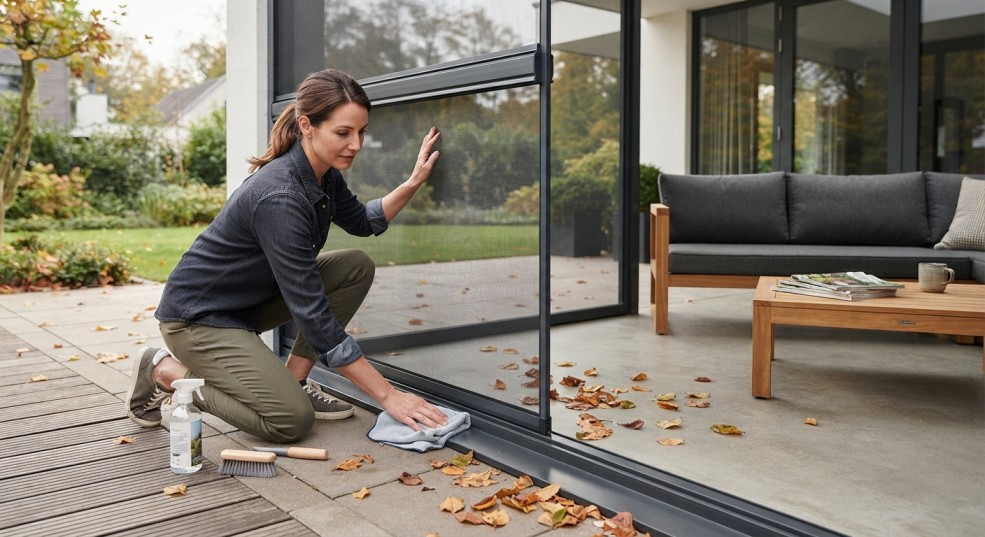
Regular maintenance is straightforward but essential. Brush off debris, hose down the fabric every month or so during heavy use, and address any spots immediately before they set. Check your awning after windstorms for stress points. If you’re leaving it up through winter, make sure snow loads don’t exceed the fabric’s limits.
Watch for signs that fabric replacement might be approaching: significant fading, loss of water-repellent properties, or any tearing at stress points. Even the best fabrics eventually wear out, but quality materials give you years of warning before they actually fail.
The Bottom Line
In Kelowna’s intense sun and temperature extremes, your awning fabric choice isn’t just about curb appeal, it’s about performance, longevity, and whether you’re replacing it in three years or still enjoying it in fifteen. Solution-dyed acrylic delivers the best balance of UV protection, durability, and aesthetic value for most homes. Invest in quality fabric now, maintain it properly, and you’ll enjoy comfortable, protected outdoor living for years to come.