How Exterior Shading Can Improve Home Comfort Without AC
When summer temperatures rise, many homes automatically turn to air conditioning to stay comfortable. But in modern building design, there’s a more efficient and sustainable approach that doesn’t rely so heavily on mechanical cooling. Exterior shading systems reduce heat before it enters the home, helping maintain naturally cooler indoor spaces. By controlling sunlight at the source, they improve indoor thermal comfort, lower energy consumption, and reduce dependency on air conditioning throughout the hottest months of the year.
What Is Exterior Shading and How It Works
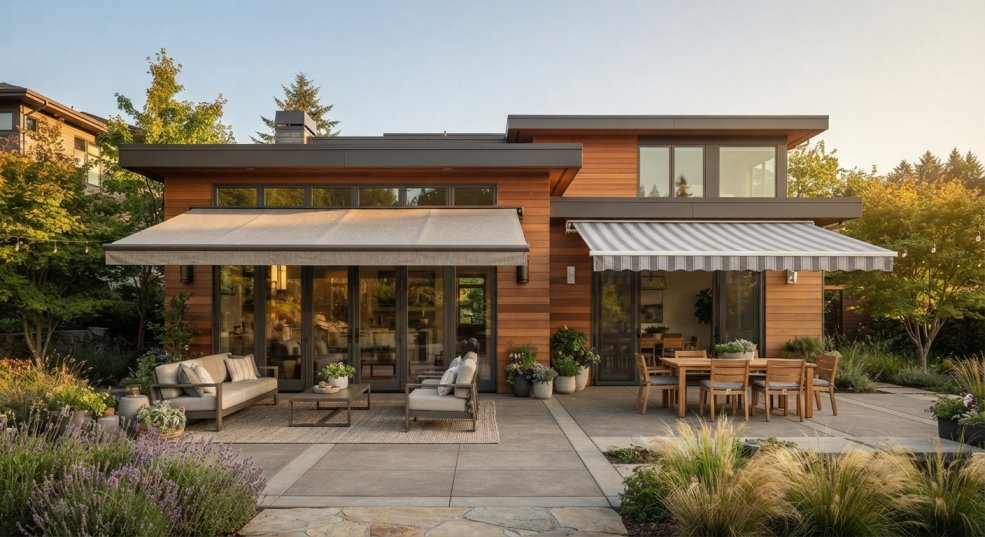
Exterior shading systems are designed to block or filter sunlight before it reaches windows and glass surfaces. Unlike interior blinds that react after heat has already entered, external shading solutions prevent excessive solar energy from entering the building in the first place.
These outdoor shading devices play a key role in reducing solar heat gain and improving overall building envelope performance. By controlling how much heat passes through glazing, they help maintain more stable indoor temperatures throughout the day.
Modern facade shading systems are often integrated directly into architecture, combining design and performance. They balance daylight, heat control, and airflow in a way that supports long-term comfort and energy efficiency.
Solar Heat Gain Reduction and Temperature Control
One of the most important benefits of exterior shading is solar heat gain reduction. When direct sunlight strikes glass surfaces, a significant amount of heat enters the home, quickly increasing indoor temperatures. External shading solutions interrupt this process by blocking or reflecting solar radiation before it penetrates the building.
A key concept in building science is the Solar Heat Gain Coefficient (SHGC). This rating measures how much solar energy passes through a window. Lower SHGC values mean less heat transfer and better cooling performance.
Heat control solutions such as reflective surfaces, adjustable louvers, and smart shading materials further improve heat reflection technology. These systems help reduce overheating and keep indoor environments noticeably more comfortable during peak sunlight hours.
Passive Cooling Strategies for Comfortable Living
Exterior shading is a core component of passive cooling strategies, which aim to regulate indoor temperatures without relying on air conditioning or other mechanical systems. Instead of actively cooling air, these methods reduce heat gain and encourage natural airflow.
Natural cooling methods such as shading, ventilation, and building orientation work together to maintain comfort. Cross ventilation is especially important, as it allows cooler outside air to move through shaded spaces, replacing warm indoor air.
When combined with proper airflow optimization, exterior shading helps prevent heat from becoming trapped inside living spaces. This creates a fresher and more balanced indoor environment, even during hot summer days.
Improving Indoor Thermal Comfort Naturally
Indoor thermal comfort is about maintaining a consistent and pleasant indoor temperature without extreme fluctuations. Exterior shading systems help achieve this by limiting direct solar exposure and reducing heat buildup inside rooms.
They also improve thermal insulation performance by reducing the amount of heat transferred through windows and glass doors. This is particularly important in homes with large glass openings or south-facing facades that receive intense sunlight throughout the day.
By reducing peak indoor temperatures, shading systems play a major role in summer overheating prevention. This leads to more comfortable living spaces without constant reliance on cooling equipment.
Energy Efficiency and Reduced Air Conditioning Dependency
One of the most practical benefits of exterior shading is reduced air conditioning dependency. When less heat enters a home, cooling systems do not need to work as hard or run as frequently.
This directly contributes to energy savings in homes and improves overall building energy efficiency. Over time, homeowners can see noticeable reductions in electricity consumption, especially during long summer periods.
Eco-friendly cooling solutions like exterior shading are increasingly important as energy costs rise and environmental awareness grows. By lowering cooling demand, they support both financial savings and sustainable living.
Types of Exterior Shading Systems
There are several types of exterior shading systems designed to meet different architectural needs and performance goals. Each type offers unique benefits depending on climate, building design, and user preference.
Facade shading systems are often integrated into modern architecture and are designed to respond to sun position throughout the day. These systems are a key part of climate-responsive design, adjusting dynamically to optimize comfort and efficiency.
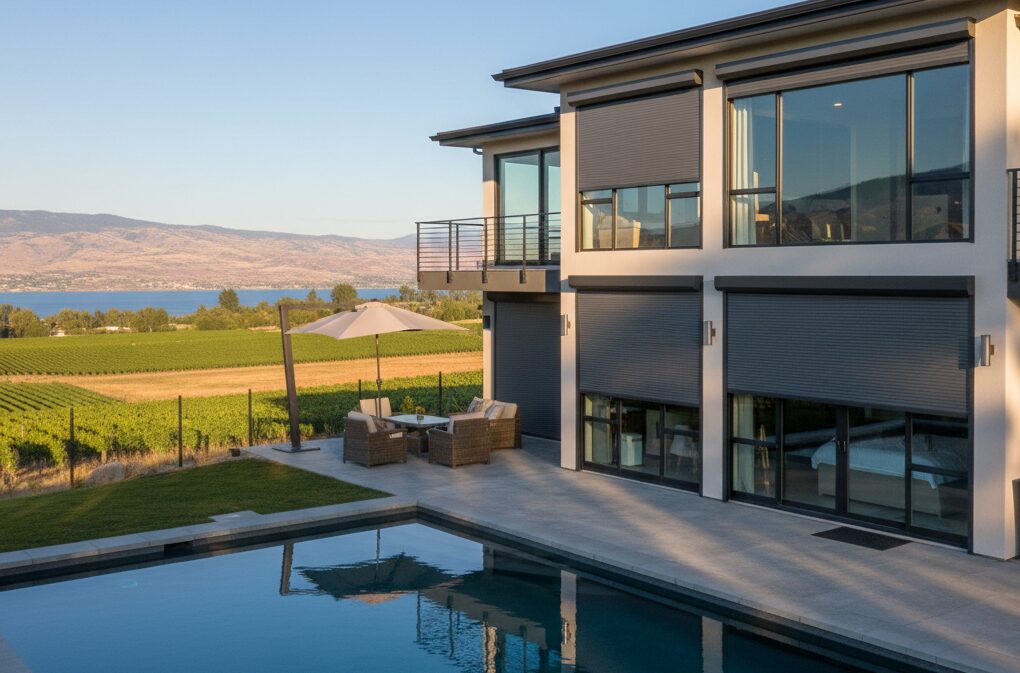
Energy-efficient window coverings such as exterior blinds, shutters, and mesh screens provide flexible control over sunlight and privacy. These outdoor shading devices are especially effective in reducing heat gain in residential settings.
Window solar protection systems are ideal for homes with large glass areas, helping block excessive sunlight while still allowing natural light to enter when needed.
Daylight, Glare, and UV Protection Benefits
Beyond temperature control, exterior shading also improves visual comfort inside the home. Daylight control systems help regulate how natural light enters interior spaces, ensuring rooms remain bright without becoming uncomfortable.
Glare reduction is particularly valuable in spaces such as living rooms, kitchens, and home offices where screen visibility and eye comfort are important.
Another key benefit is UV protection for interiors. By blocking harmful ultraviolet rays, shading systems help protect furniture, flooring, and fabrics from fading, discoloration, and long-term sun damage.
Climate-Responsive Design in Modern Homes
Modern architecture increasingly focuses on climate-responsive design, where buildings are designed to adapt to environmental conditions rather than resist them.
Exterior shading systems play a central role in this approach. When combined with building envelope performance strategies, they help regulate temperature, light, and airflow more effectively.
By integrating shading with smart design principles, homes can reduce reliance on mechanical cooling while maintaining comfortable indoor conditions year-round.
Key Benefits of Exterior Shading Without Air Conditioning
Exterior shading provides multiple long-term benefits that go beyond simple temperature reduction. It supports eco-friendly cooling solutions that improve comfort while reducing environmental impact.
Homes with effective shading experience fewer issues with summer overheating prevention and maintain more stable indoor temperatures throughout the day. This results in a healthier and more enjoyable living environment.
Additionally, lower energy consumption leads to reduced utility costs and supports long-term sustainability goals. Over time, these benefits make exterior shading a practical and valuable investment for homeowners.
Bottom Line
Exterior shading is one of the most effective ways to improve home comfort without relying heavily on air conditioning. By reducing heat gain before it enters the home, it supports natural cooling, improves energy efficiency, and enhances everyday living conditions. With the right shading system in place, homeowners can enjoy cooler, more comfortable indoor spaces while reducing energy costs and environmental impact.