Whether you’re a homeowner looking to spruce up your patio or a business owner wanting to boost your storefront’s appeal, awnings offer a perfect blend of function and style. But here’s the thing: not all awnings are created equal. Residential and commercial awnings serve different purposes, use different materials, and come with their own sets of considerations. Let’s break down what sets them apart so you can make the right choice.
What Are Awnings? Understanding the Basics
Think of awnings as your outdoor umbrella but way more stylish and permanent. These fabric or metal coverings attach to buildings and extend over windows, doorways, patios, or storefronts to provide shade and shelter from the elements. They’ve been around for centuries, evolving from simple canvas coverings to today’s sophisticated retractable awnings and sleek aluminum designs.
Awnings come in two main categories: retractable awnings that you can pull back when you don’t need them, and fixed awnings that stay put year-round. The materials vary too. Fabric awnings made from canvas, acrylic, or premium Sunbrella fabric offer a classic look with endless customization options. On the flip side, metal awnings and aluminum awnings deliver serious durability with a modern edge. Many feature aluminum frames or steel frames that can handle whatever Mother Nature throws their way while staying weather-resistant for years.
Residential Awnings: Features and Benefits
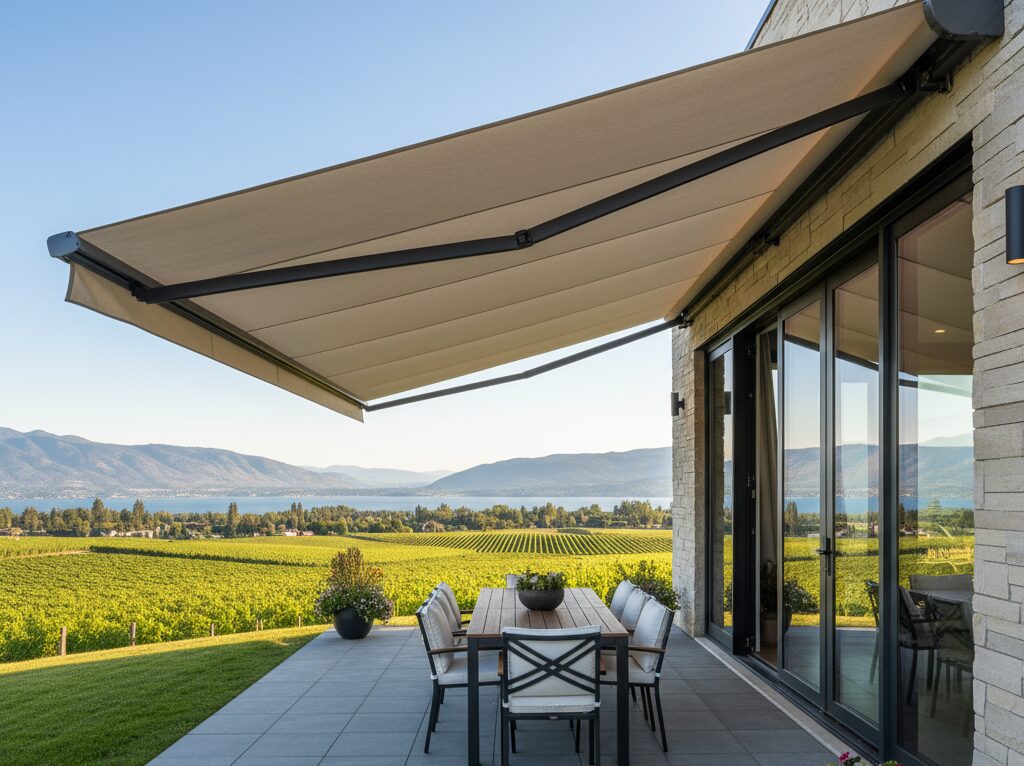
For homeowners, awnings are all about creating that perfect outdoor oasis. Picture yourself sipping morning coffee on your covered patio, protected from harsh UV rays while your energy costs drop because your home stays cooler naturally. That’s the magic of residential awnings.
These awnings typically cover patios, windows, and doorways, transforming outdoor spaces into comfortable extensions of your living area. They’re not just functional, they seriously boost your curb appeal. Choose from countless colors, patterns, and valance styles to match your home’s personality. Want something flexible? Retractable awnings let you enjoy sunshine when you want it and shade when you need it.
The beauty of residential awnings lies in their versatility. Fabric awnings work beautifully for most homes, offering UV protection that keeps your furniture from fading while cutting cooling costs during summer months. Many homeowners go with aluminum frames wrapped in weather-resistant fabric; it’s the sweet spot between durability and aesthetics. Plus, installation is often straightforward enough that some custom designs can be tackled as DIY projects, though professional custom installation ensures everything’s done right.
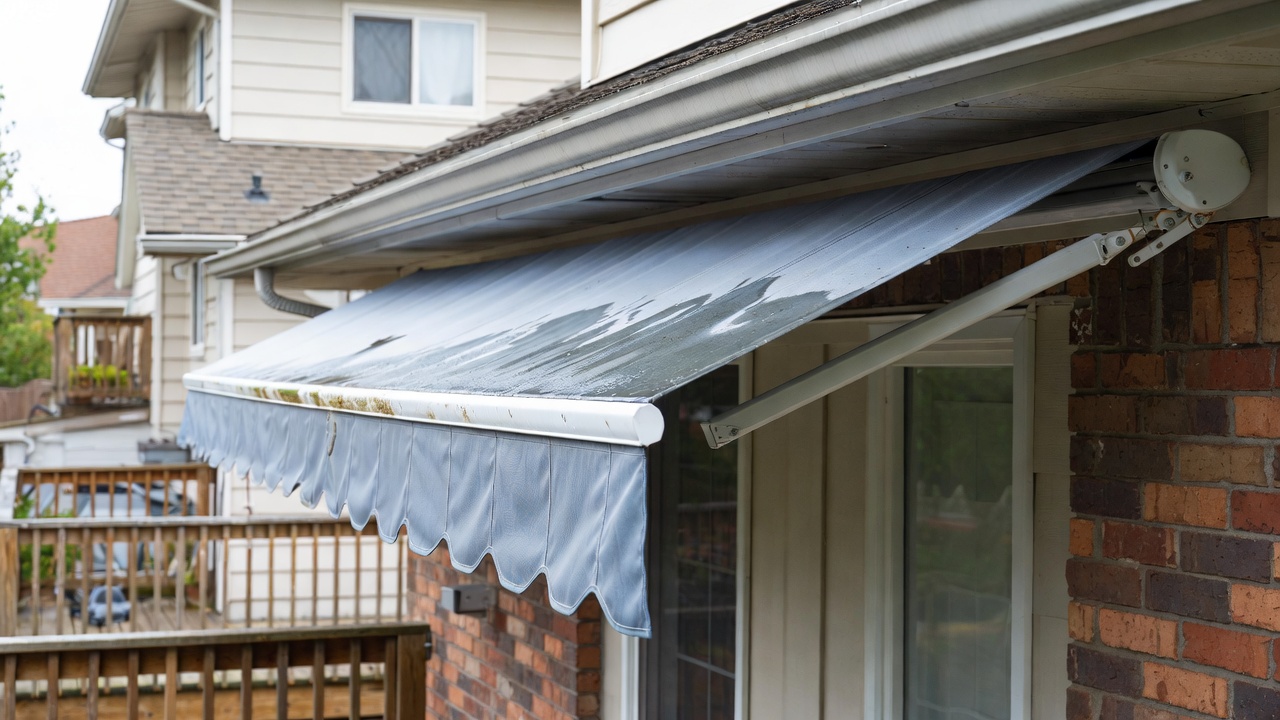
Maintenance? Pretty simple. Regular cleaning and occasional checks keep fabric awnings looking fresh for years. Modern materials are designed to be low-maintenance, so you’re not signing up for endless upkeep.
Commercial Awnings: Features and Benefits
Now, commercial awnings play a whole different game. Sure, they provide shade and shelter, but they’re also powerful marketing tools. That awning above your storefront isn’t just keeping customers dry it’s broadcasting your brand identity to everyone walking by.
Business owners use commercial awnings strategically. A well-designed awning with your logo prominently displayed increases business visibility and creates that professional, welcoming vibe that draws people in. For restaurants, outdoor seating becomes usable year-round with proper weather protection. Retail shops benefit from the shade that keeps window displays from fading while making the entrance more inviting.
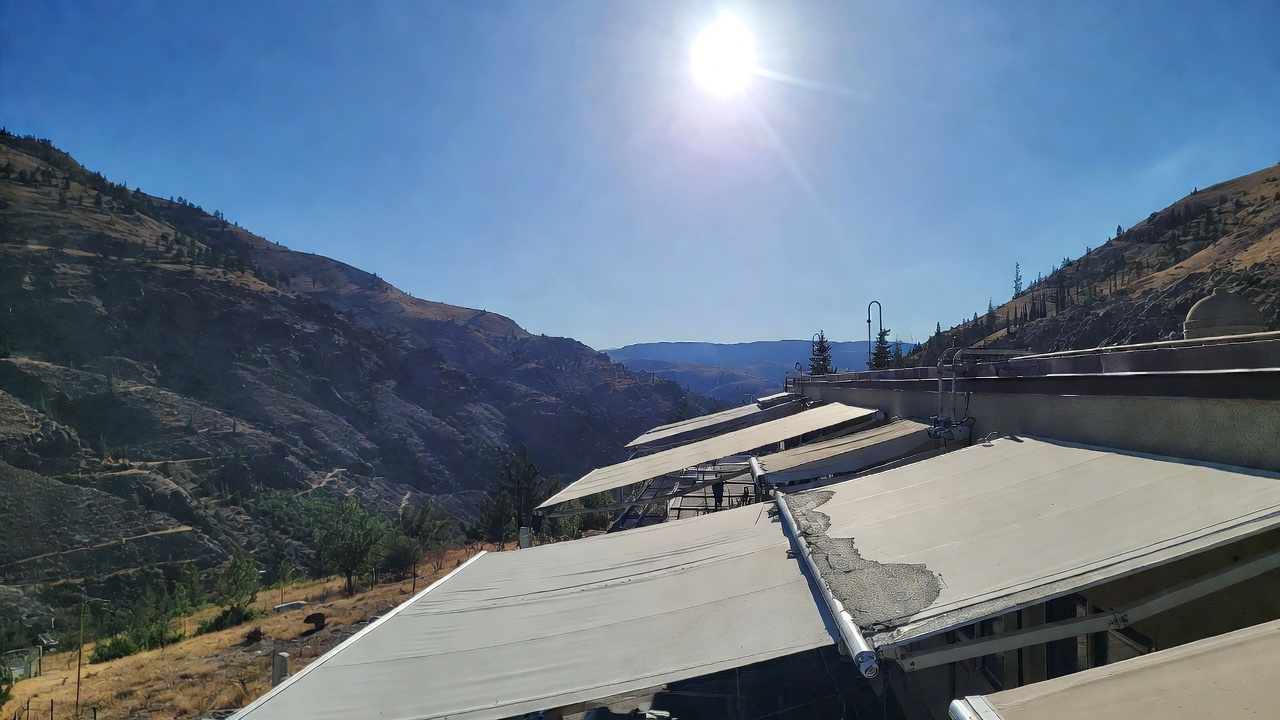
Commercial awnings need to be tougher than their residential cousins. We’re talking heavy-duty durable materials that withstand constant exposure and high foot traffic. Many businesses opt for metal awnings or reinforced aluminum awnings with commercial-grade Sunbrella fabric that laughs in the face of wind, rain, and relentless sun. Steel frames provide maximum strength for larger installations, while aluminum frames offer an excellent balance of durability and weight.
The customization options are where things get exciting. Your commercial awning becomes a canvas (literally) for your branding. Bold colors, eye-catching graphics, integrated lighting, whatever helps your business stand out. Some businesses even incorporate valence designs that complement their architectural style while reinforcing brand recognition.
Here’s the catch: commercial awning installation isn’t a weekend DIY project. You’ll need professional custom installation to handle the structural requirements, permits, and precise placement. The maintenance is more involved too, with regular inspections and cleaning to keep everything looking sharp and functioning properly. But that investment pays off in longevity and the continuous marketing value your awning provides.
Key Differences Between Residential and Commercial Awnings
Let’s get into the nitty-gritty of what actually separates these two types.
Size and scale tell the first part of the story. Residential awnings are designed for homes with cozy patios and individual windows. Commercial awnings often span entire storefronts or cover expansive outdoor seating areas. The projection (how far they extend from the building) tends to be greater for commercial applications.
Durability and materials show the biggest contrast. While both use quality materials, commercial awnings are built like tanks. The fabric is thicker, the frames are reinforced, and everything’s engineered for the long haul. Commercial-grade Sunbrella fabric, for instance, has a higher thread count and more robust weather-resistant treatments than residential versions. Aluminum frames might be standard for both, but commercial versions are often thicker gauge. Some heavy-duty commercial applications even use steel frames for maximum strength.
Design and customization reveal different priorities. Homeowners typically choose custom designs that complement their home’s aesthetics colors that match the trim, patterns that add visual interest, valence styles that enhance architectural details. Business owners focus on branding logos, company colors, and designs that maximize visibility and reinforce brand identity. The awning becomes part of the marketing strategy, not just a decorative addition.
Purpose and functionality drive everything else. Residential awnings primarily provide UV protection, reduce energy costs, and create comfortable outdoor spaces. They’re about personal comfort and curb appeal. Commercial awnings certainly offer weather protection, but they’re simultaneously working as a marketing tool to attract customers and enhance business visibility. That dual purpose justifies the higher investment.
Installation requirements differ significantly. Many residential awnings, especially smaller retractable models for windows or doorways, can be installed by handy homeowners or with basic contractor help. Commercial installations demand professional expertise, proper permitting, structural engineering assessments, and often coordination with property management or local regulations.
Cost considerations reflect these differences. Residential awnings offer a lower entry point, with costs varying based on size, materials, and whether you choose retractable or fixed options. The energy savings from reduced cooling costs can offset the investment over time. Commercial awnings require a bigger upfront investment, but the return comes through increased foot traffic, enhanced brand presence, and the durability that means fewer replacements. Think of it as buying business infrastructure, not just shade.
Maintenance and longevity expectations also vary. Residential awnings need periodic cleaning and seasonal adjustments, especially for retractable models. It’s low-maintenance but not no-maintenance. Commercial awnings require more rigorous upkeep, regular professional cleaning, inspections for wear, and immediate repairs to maintain that polished appearance. However, with proper care, both types deliver excellent longevity. Commercial awnings might last 10-15 years or more, while residential fabric awnings typically perform well for 8-12 years depending on climate and care.
Choosing the Right Awning Type for Your Needs
So how do you decide? Start with your end goal.
Homeowners should evaluate their outdoor spaces honestly. Do you want to extend your living area onto the patio? Need to protect expensive outdoor furniture from UV damage? Looking to cut those brutal summer cooling costs? Retractable awnings offer flexibility, while fixed awnings provide constant protection. Fabric awnings give you countless customization options to boost curb appeal, while metal awnings deliver superior durability with minimal maintenance.
Business owners need to think strategically. Your storefront awning should align with your branding and create the right first impression. If you have outdoor seating, weather protection becomes crucial for maximizing usable space. Consider how your awning can increase business visibility. Can you incorporate your logo? Will lighting enhance nighttime presence? The investment in durable materials pays off when your awning looks professional year after year.
Ask yourself these questions before pulling the trigger: What’s my primary purpose: shade, branding, or both? How much customization do I need? Am I willing to handle maintenance, or do I need something ultra-low-maintenance? What’s my realistic budget, including installation? For businesses, what’s the expected return on investment through increased visibility and customer comfort?
Popular Awning Materials Explained
Understanding materials helps you make smarter choices. Fabric awnings come in several flavors. Canvas is traditional and affordable but requires more maintenance. Acrylic offers better color retention and durability. Sunbrella sits at the top; it’s the gold standard for weather-resistant, fade-proof fabric that handles UV rays like a champ. The customization options are virtually unlimited with fabric.
Metal awnings are the workhorses. Aluminum awnings are lightweight, naturally rust-resistant, and surprisingly affordable. They work beautifully with powder-coated finishes in any color you can imagine. Steel frames provide maximum strength for large commercial installations, though they’re heavier and require proper rust protection. Both offer that clean, modern aesthetic that many businesses and contemporary homes prefer. The low-maintenance aspect is that huge metal awnings basically take care of themselves.
Choosing between these materials often comes down to your climate, aesthetic preferences, and how hands-on you want to be with maintenance. Weather-resistant doesn’t mean weatherproof, but quality materials in either category will serve you well for many years.
Making the Right Awning Choice
Here’s the bottom line: residential and commercial awnings serve different masters, but both deliver real value when chosen correctly. Homeowners get enhanced outdoor living, energy savings, and serious curb appeal. Business owners gain a marketing asset that also provides functional benefits for customers and employees.
The key is matching the awning type to your specific needs. Consider the size, materials, customization options, and long-term maintenance before making your decision. Whether you’re leaning toward retractable fabric awnings for your patio or a bold commercial installation for your storefront, quality matters. At Shutters and Shade, we help both homeowners and business owners navigate these choices, ensuring you get an awning solution that looks great and performs beautifully for years to come.