Common Awning Mistakes Homeowners Make (and How to Avoid Them)
you’ve just invested in a beautiful patio awning to enjoy those gorgeous Okanagan summers. Fast forward six months, and you’re dealing with sagging fabric, unexpected repair bills, or worse complete replacement. Sound familiar? You’re not alone. Many homeowners make avoidable mistakes when choosing, installing, and maintaining their awnings, turning what should be a simple outdoor upgrade into a frustrating money pit. From selecting the wrong type of retractable awning to skipping crucial maintenance steps, these errors can cost you thousands. The good news? Every single one is preventable. Let’s walk through the biggest pitfalls and, more importantly, how you can sidestep them entirely to enjoy years of comfortable, hassle-free shade.
Choosing the Wrong Awning Type for Your Space
Here’s where things go sideways right from the start: homeowners often grab the first awning that looks good without thinking about how they’ll actually use it. A manual awning might seem like a budget-friendly choice, but if you’re someone who forgets to retract it before windstorms roll through the valley, you’re setting yourself up for wind damage. Motorized awnings or electric awning systems offer convenience that pays off, especially when paired with a wind sensor that automatically retracts when conditions get dicey, protecting your investment without you lifting a finger. And if you’re debating between a fixed canopy and a retractable awning, think about flexibility Kelowna weather can be unpredictable, and having the option to adjust makes all the difference. The bottom line? Match your awning to your lifestyle, not just your budget, and talk to professionals who understand local weather patterns and can recommend what actually works in the BC Interior.
Cutting Corners on Fabric Quality
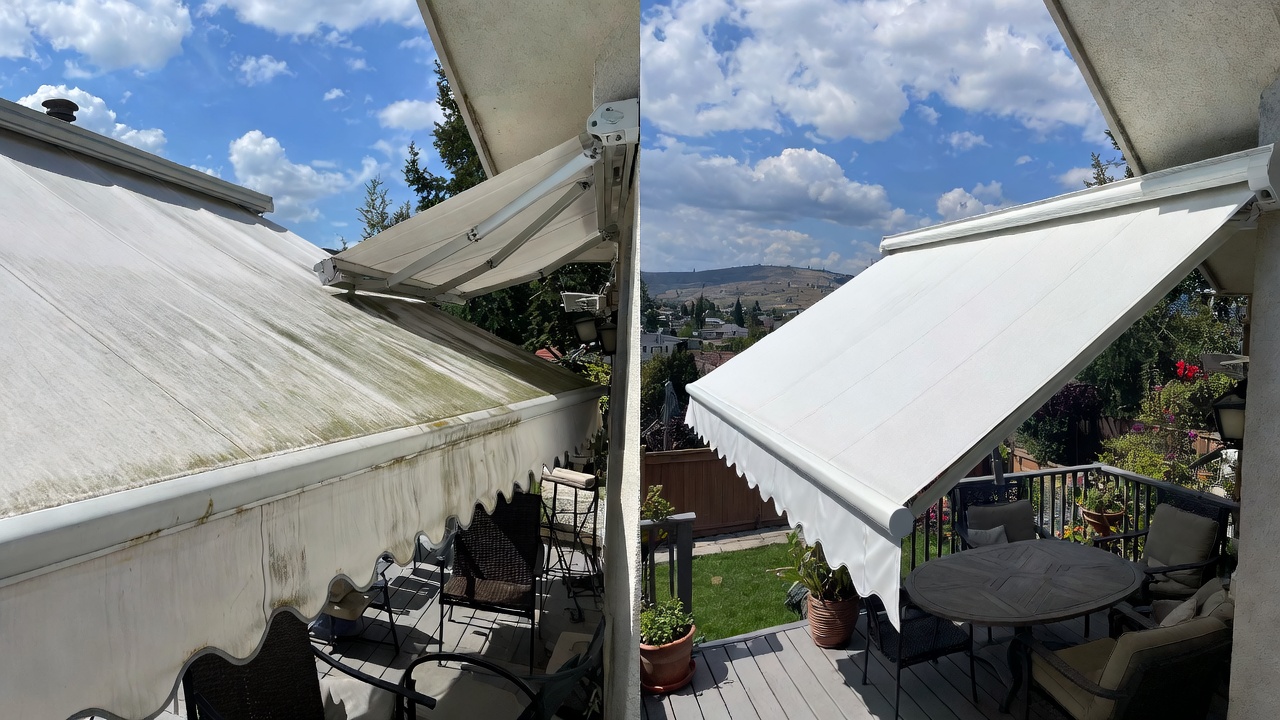
This is hands-down one of the most expensive mistakes you can make, because cheap awning fabric might save you a few bucks upfront, but under Kelowna’s intense UV exposure, inferior materials fade, tear, and break down fast, we’re talking sun damage that turns your beautiful shade into a tattered eyesore within a couple of seasons. Quality matters here more than almost anywhere else, and solution-dyed acrylic fabrics are your friend because they resist fading and maintain color integrity even after years of UV bombardment. These UV-resistant fabrics are specifically engineered to handle the weather resistance demands that our climate throws at them, and you need to pay attention to fabric tension too because properly tensioned awning fabric prevents sagging and water pooling, which leads to our next problem: mold and mildew. When fabric doesn’t maintain proper tension, water collects in low spots, creating the perfect breeding ground for mold, and nobody wants to sit under a musty, stained awning. Here’s something most people overlook when asking about the workmanship warranty, because a solid warranty tells you the manufacturer stands behind their product and the installer trusts their work.
The DIY Installation Trap
Look, we get it. YouTube makes everything look easy, and DIY installation seems like a great way to save money, but awning installation isn’t hanging a picture frame. Get the proper measurements wrong by even an inch, and you’re looking at gaps, misalignment, or worse structural issues down the road. Mounting brackets need precise placement and must be secured into solid structural support, and if you’re drilling into stucco or trying to find studs without the right tools and experience, you’re gambling with safety and functionality. Improper mounting can lead to catastrophic failure during the first strong wind. Then there’s the pitch, the slight angle that prevents water pooling because too flat and rain collects on top, too steep and your awning looks awkward and may not extend properly. Professional installation teams have done this hundreds of times, so they know how to read your space, account for drainage, check building codes, and get everything level and secure on the first try. The few hundred dollars you save on DIY installation can easily turn into thousands when you need to fix structural damage, replace torn fabric, or call in professionals to redo the whole job anyway.
Skipping Regular Maintenance
Awnings aren’t a “set it and forget it” situation, because neglecting awning maintenance is like never changing your car’s oil. Things will work until suddenly they don’t. Regular cleaning prevents mold and mildew from taking hold, and a simple wash with mild soap and water a few times a year keeps fabric looking fresh and extends its lifespan significantly. Check for fabric damage regularly because small tears become torn fabric disasters if ignored, and inspect the awning arms and roller tube for any signs of wear or misalignment. If you’ve got a motorized awning, listen to the motor because unusual sounds often signal mechanical problems before they become complete failures. Here’s a maintenance schedule that works: deep clean twice a year (spring and fall), quick inspection monthly during peak use, and immediate attention to any sagging fabric or unusual operation catching issues early means simple fixes instead of expensive replacements. For electric awning systems, having a professional check the motor and electrical components annually is smart insurance because these systems have more moving parts, and preventive maintenance beats emergency repairs every time.
Ignoring Weather Warnings
Kelowna residents know our weather can turn on a dime, and leaving your retractable awning extended during high winds is asking for trouble because wind damage isn’t covered by most warranties. You’re expected to retract the awning when conditions warrant it. This is where wind sensors become invaluable, as these devices automatically retract your awning when wind speeds hit dangerous levels, so even if you’re not home, your investment stays protected. For manual awnings, make it a habit to check weather forecasts and retract before storms roll in. Water pooling after rainfall is another red flag because if water collects on your awning surface, the pitch isn’t right, or the fabric tension needs adjustment standing water stresses the fabric, stretches the awning arms, and invites mold growth, so don’t ignore it and get it fixed. Understanding your awning’s weather resistance limits keeps it functioning longer, because even the toughest patio awning has its breaking point.
The Hidden Costs Nobody Mentions
Let’s talk about something salespeople often gloss over long-term costs because that bargain-basement awning might look appealing until you’re replacing it every three years. Quality weather-resistant materials and professional installation cost more upfront but pay dividends through durability and fewer repairs, so you need to calculate the total cost of ownership, not just the sticker price. A properly installed motorized awning with quality solution-dyed acrylic fabric might cost more initially, but over ten years, it’s likely cheaper than replacing inferior products multiple times, and you should factor in energy savings too because a good awning reduces cooling costs by blocking intense sun from hitting windows and doors.
Why Local Expertise Matters
Working with experienced professionals who understand Okanagan-specific challenges makes all the difference, and Shutters and Shade has been serving Kelowna and the BC Interior since 2002, which means we’ve seen every possible scenario and weather condition. Our team knows which retractable awning systems perform best here, which fabrics hold up to our UV levels, and how to install for maximum longevity. We manufacture products locally in Salmon Arm, which means quick turnaround usually about two weeks from order to installation so you’re not waiting months for overseas shipping or dealing with generic solutions designed for entirely different climates. Custom consultation ensures you get exactly what your space needs, whether that’s a motorized patio awning with all the bells and whistles or a straightforward manual system that gets the job done.
Your Next Steps
Avoiding these common awning mistakes isn’t complicated, it just requires making informed decisions and working with the right team. Invest in quality awning fabric, don’t skip professional installation, maintain your system regularly, and respect weather conditions. These simple practices protect your investment and ensure years of comfortable outdoor living.
Ready to do it right from the start? Shutters and Shade offers free consultations where we assess your space, discuss your needs, and recommend solutions that make sense for your home and budget. Let’s help you avoid the headaches and enjoy the benefits.
FAQs
Should I choose a manual awning or motorized awning?
It depends on your usage and budget manual awnings cost less and have fewer mechanical problems, making them reliable and straightforward, but motorized or electric awning systems offer unbeatable convenience, especially when integrated with wind sensors that automatically protect your investment during storms. If you frequently forget to retract your awning, motorized is worth every penny.
How often should I perform awning maintenance?
Deep clean your awning twice annually once in spring before heavy use, and again in fall before winter and do monthly quick inspections during peak season to catch fabric damage, sagging fabric, or mechanical problems early, while addressing mold and mildew immediately with proper cleaning solutions. For motorized systems, schedule professional inspections yearly to check motor function and electrical components.
What type of awning fabric is best for Kelowna’s climate?
Solution-dyed acrylic is your best bet for the Okanagan because this UV-resistant fabric handles our intense sun exposure without fading and offers excellent weather resistance, breathes well to prevent mold and mildew buildup, and maintains proper fabric tension over time. Cheaper materials might save money initially but will cost you more through premature replacement and constant UV damage repairs.
Can I install a patio awning myself?
While DIY installation is possible, it’s risky without proper experience because getting proper measurements, securing mounting brackets into adequate structural support, and achieving correct pitch for water drainage requires expertise, and one mistake can lead to safety hazards, water pooling, or complete system failure. Professional installation typically includes warranties and ensures everything meets building codes, and the cost is usually far less than fixing DIY mistakes.
What causes sagging fabric and how can I fix it?
Sagging fabric usually results from improper fabric tension during installation, accumulated water pooling stretching the material, or worn awning arms and roller tube components, and sometimes age and UV exposure break down fabric integrity. Minor sagging might be fixable by adjusting tension mechanisms, but significant sagging often requires professional assessment to determine if you need fabric replacement or if mechanical components like the roller tube need service.