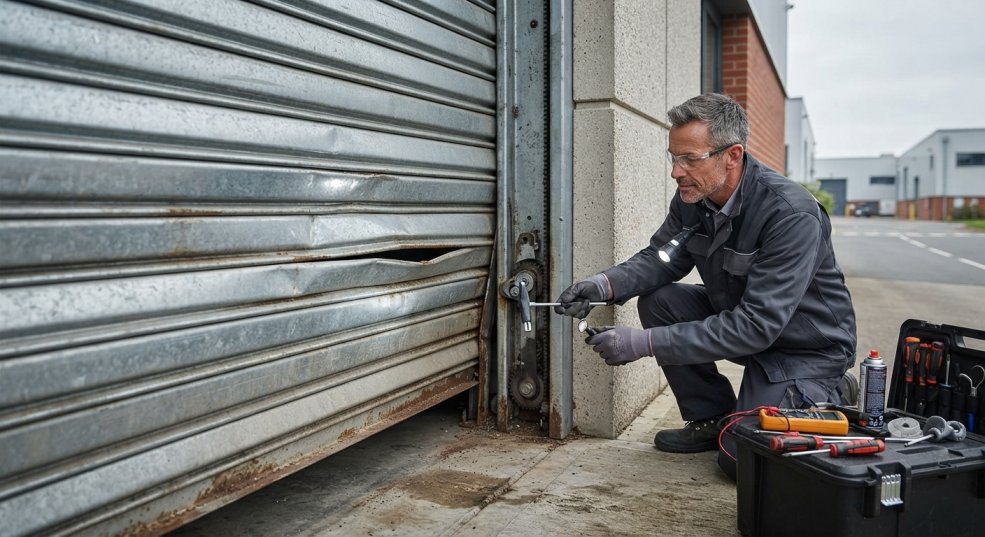
Common Rolling Shutter Problems and How to Prevent Them
Rolling shutters are a practical way to improve security, privacy, and protection from the elements while helping control sunlight and heat. Like any frequently used system, though, they can develop problems over time. Dirt, weather exposure, worn components, poor alignment, and everyday use can all affect performance. The good news is that many rolling shutter problems can be reduced with proper operation, regular inspections, and timely maintenance.
What Causes Rolling Shutter Problems?
Most roller shutter faults don’t happen without warning. In many cases, small changes in performance appear first, a little extra noise, slower movement, or increased resistance when opening or closing.
Common causes include normal wear and tear, dirt and debris buildup, moisture, corrosion, damaged components, misalignment, and electrical issues. Lack of rolling shutter maintenance can allow these relatively minor concerns to develop into more serious failures.
Preventive maintenance is therefore important. Keeping the shutter clean, checking its condition regularly, and addressing unusual behaviour early can help maintain smooth operation and reduce the likelihood of unexpected roller shutter repair.
10 Common Rolling Shutter Problems
1. Stuck or Jammed Shutter
A stuck or jammed shutter is one of the most noticeable problems. You may find that the shutter won’t open, won’t close completely, or stops partway through its travel.
Several things can cause this. Dirt or debris may be blocking the guide rails, a slat could be damaged, or the shutter curtain may have become misaligned. Mechanical components can also wear over time.
If a shutter suddenly becomes difficult to move, don’t force it. Applying extra pressure can damage the slats, tracks, or operating mechanism. Instead, check for obvious obstructions and arrange professional assistance if the cause isn’t immediately clear.
2. Misaligned Guide Tracks
Guide rails or tracks keep the shutter curtain moving in the correct position. When they become bent, damaged, dirty, or misaligned, the shutter may scrape against the sides or move unevenly.
You may notice increased noise, resistance, or a shutter that doesn’t sit properly when fully closed.
Keeping the guide tracks free from dirt and debris is a simple preventive step. However, significant misalignment or physical damage should be professionally assessed rather than corrected by force.
3. Damaged or Bent Slats
The individual slats that make up the shutter curtain can become bent or damaged due to impact, obstructions, severe weather, or improper operation.
Even a small amount of damage can affect how the curtain travels through the guide rails. A damaged slat may catch, create additional noise, or prevent the shutter from closing properly.
Regularly inspect the visible slats for dents, bends, cracks, or other changes. If you spot damage, dealing with it early can prevent further strain on the system.
4. Broken Springs and Worn Bearings
Springs and bearings play important roles in the mechanical operation of many rolling shutters. Over time, these components can experience normal wear.
A broken spring can make a shutter unusually difficult to operate, while worn bearings may produce squeaking, grinding, or other unusual sounds. The shutter may also begin moving less smoothly.
These components can be under considerable mechanical tension, so spring and bearing repairs are generally best left to trained professionals. Regular inspections can help identify wear before it causes a complete operating failure.
5. Motor Failure and Overheating
Motorized rolling shutters offer convenient operation, but the motor and drive system can eventually develop faults.
Warning signs may include slow movement, intermittent operation, unusual sounds, frequent stopping, or a motor that becomes excessively hot. Motor overheating can have several causes, including excessive use, mechanical resistance, or an underlying electrical or mechanical problem.
Don’t repeatedly operate a motor that is overheating or behaving unusually. Continued use can potentially make the underlying problem worse. Professional servicing can determine whether the issue is related to the motor, shutter mechanism, power supply, or another component.
6. Electrical Faults
Electrical faults can prevent a motorized shutter from operating even when the mechanical components appear to be in good condition.
Possible causes include problems with the power supply, wiring, connections, controls, or other electrical components. Sometimes the problem may be as simple as a power interruption; in other cases, professional diagnosis is required.
Because electrical systems can present safety risks, avoid opening or modifying electrical components unless you’re qualified to do so. A professional can safely determine whether the problem is electrical or mechanical.
7. Remote Control Problems
If your motorized shutter isn’t responding to the remote, the shutter itself may not necessarily be faulty.
Start with simple possibilities such as a depleted battery. Remote programming, signal issues, or a problem with the control system can also prevent normal operation.
If replacing the battery doesn’t resolve the issue, professional servicing may be needed to determine whether the problem lies with the remote, receiver, motor, or control system.
8. Uneven Shutter Movement
A rolling shutter should generally move smoothly and evenly. If one side appears to move differently from the other, the shutter catches during operation, or the curtain shifts as it travels, something may be wrong.
Uneven movement can be associated with misaligned guide tracks, damaged slats, worn bearings, spring problems, or issues with the drive mechanism.
Don’t ignore this type of behaviour. Continuing to operate a shutter that’s moving unevenly can place additional stress on components and potentially turn a relatively manageable issue into a larger repair.
9. Noisy Shutter Operation
A certain amount of operational sound is normal, but a sudden change in noise deserves attention.
Squeaking, grinding, rattling, clicking, or scraping can indicate dirt, insufficient lubrication, loose components, worn bearings, misalignment, or other mechanical issues.
Appropriate lubrication can reduce friction on components designed to be lubricated, but it isn’t a universal solution. Adding lubricant won’t correct a bent track, damaged bearing, or structural problem.
Pay attention to when the noise occurs and whether it is getting worse. That information can help a professional identify the source.
10. Corrosion, Rust, and Weather Damage
Rolling shutters are exposed to the environment, and prolonged contact with moisture can contribute to corrosion or rust. Rain, snow, humidity, and other environmental conditions can gradually affect metal components and finishes.
Weather and environmental damage can also contribute to deterioration of other shutter components over time.
Regularly checking for rust, corrosion, damaged finishes, and moisture-related issues gives you an opportunity to address them before the damage spreads. Keeping the shutter clean and following appropriate care recommendations can also support its durability.
Common Problems With Manual Rolling Shutters
Manual systems have their own potential faults. Manual straps and cables can become worn, frayed, or difficult to operate. A winder can also become stiff when components wear or when the shutter itself develops resistance.
If a manual shutter suddenly requires much more effort to raise or lower, don’t assume that pulling harder will solve the problem. Increased resistance may indicate an issue with the curtain, guide tracks, bearings, springs, or another part of the mechanism.
Regularly checking the strap or cable and paying attention to changes in operating effort can help catch problems early.
Common Problems With Motorized Rolling Shutters
Motorized systems have additional components that require attention, including the motor, electrical connections, control system, remote, and limit switches or sensors.
Limit switches and sensors help control where the shutter stops during opening and closing. If the shutter consistently stops at the wrong position or doesn’t complete its normal travel, these components or another part of the control system, may need attention.
Don’t assume that every motorized shutter problem means the motor needs replacing. The cause could be electrical, mechanical, or related to the control system. A proper diagnosis can prevent unnecessary repairs.
How to Prevent Rolling Shutter Problems
The best approach to rolling shutter maintenance is consistency. You don’t have to wait until something breaks before paying attention to the system.
Keep the guide rails clean and make sure the shutter’s path is free from objects that could interfere with movement. Inspect visible slats for damage and look for signs of rust or corrosion. During normal operation, listen for new sounds and watch for changes in speed, alignment, or resistance.
Lubrication should be carried out where appropriate and according to the manufacturer’s recommendations. Using the wrong lubricant or applying too much can create additional problems by attracting dirt or affecting components that don’t require lubrication.
Most importantly, don’t ignore small warning signs. A slight scraping sound, a shutter that moves more slowly than usual, or a manual strap that feels different may be an early indication that something needs attention.
Rolling Shutter Maintenance Checklist
A simple maintenance routine can include regular visual inspections, cleaning the guide rails, checking for dirt and debris, examining slats for damage, and watching for rust or corrosion.
You should also pay attention to how the shutter sounds and moves during normal use. For motorized systems, monitor unusual motor behaviour, overheating, remote control issues, or changes in stopping positions. For manual systems, inspect straps and cables for visible wear.
The exact maintenance schedule will depend on the shutter type, usage, environment, and manufacturer’s recommendations. High-use commercial shutters may require more frequent attention than a residential system used occasionally.
When Should You Call a Professional for Roller Shutter Repair?
Some basic maintenance tasks are straightforward, but certain problems shouldn’t be treated as DIY projects.
Professional servicing is recommended when a shutter is completely jammed, mechanical components such as springs or bearings need attention, guide tracks are significantly damaged, electrical faults are suspected, or a motorized system repeatedly fails.
Professional help is also valuable when a problem keeps returning. Replacing a visible component without identifying the underlying cause may only provide a temporary solution.
A trained technician can assess alignment, mechanical components, motors, electrical systems, and other parts of the shutter to determine what actually needs repair.
What Should You Avoid When a Rolling Shutter Fails?
When something goes wrong, the safest response is usually to stop and assess rather than force the system.
Avoid repeatedly operating an overheating motor, pulling aggressively on a manual strap, forcing a jammed curtain through damaged tracks, or attempting to repair springs without the appropriate training and equipment.
Electrical components should also be handled carefully. If you suspect an electrical fault, professional diagnosis is the safer option.
The goal isn’t simply to get the shutter moving again. It’s to resolve the underlying issue without creating additional damage or putting anyone at risk.
How Regular Maintenance Can Extend Shutter Life
No rolling shutter lasts forever, but proper care can help maintain reliable performance and reduce avoidable wear.
Preventive maintenance allows problems to be identified before they become major failures. Clean tracks can reduce unnecessary friction, early attention to damaged slats can prevent further issues, and professional inspections can identify worn mechanical or electrical components.
Regular maintenance can also support security. A shutter that doesn’t close properly or becomes unreliable may leave a property more vulnerable than intended.
For both residential and commercial applications, a small amount of attention can go a long way toward maintaining the shutter’s performance and extending its useful service life.
Frequently Asked Questions About Rolling Shutter Problems
Why is my rolling shutter getting stuck?
A shutter can become stuck because of debris, damaged slats, misaligned guide tracks, worn components, or a problem with the operating mechanism. Avoid forcing it and have persistent issues assessed professionally.
Why is my rolling shutter making a grinding or squeaking noise?
Unusual noise can result from dirt, inadequate lubrication, worn bearings, misalignment, or loose or damaged components. The sound itself doesn’t identify the exact cause, so a proper inspection may be necessary.
Why isn’t my motorized rolling shutter working?
Check simple issues such as the power supply and remote battery first. If those aren’t responsible, the problem could involve the motor, electrical system, controls, sensors, or mechanical components.
How can I prevent rolling shutter problems?
Regular inspections, cleaning, appropriate lubrication, proper operation, and timely professional servicing can all help prevent common faults and catch developing problems early.
Should I repair or replace a damaged rolling shutter?
The answer depends on the age and overall condition of the shutter, the extent of the damage, the availability of replacement components, and how frequently problems occur. A professional assessment can help determine which option makes the most sense.
Keep Your Rolling Shutters Working Reliably
Many rolling shutter problems can be prevented or caught early by paying attention to changes in sound, movement, alignment, and appearance. Regular cleaning and inspections are simple ways to support reliable operation, while professional servicing can address mechanical, electrical, and structural issues safely. If your rolling shutters are becoming noisy, difficult to operate, or unreliable, Shutters and Shade can help identify the right solution for your home or business in the Okanagan.