How Awnings Protect Your Home’s Interior from Fading and Sun Damage
Sunlight can make a home feel bright, warm, and inviting, but too much exposure can gradually take a toll on what is inside. UV rays, heat, and prolonged sun exposure can contribute to furniture fading, flooring damage, discoloration, and deterioration of fabrics. Awnings provide an exterior layer of shade that helps reduce direct sunlight before it reaches your windows. For homeowners looking to preserve their interiors while improving comfort, they can be a practical solution.
How Sunlight Causes Fading and Interior Damage
Sun damage inside a home usually happens gradually. You may not notice a difference from one week to the next, but months and years of repeated exposure can leave noticeable changes in furniture, flooring, curtains, and other interior furnishings.
UV rays, or ultraviolet radiation, are one of the main contributors to this process. Prolonged exposure can affect dyes, finishes, fabrics, wood, and other materials, leading to fading and discoloration. Visible light and heat can also contribute to the gradual deterioration of certain materials.
This is why a sofa positioned beside a bright window may eventually look different from the same fabric in a shaded area. A hardwood floor may develop uneven colouring near a patio door, while a carpet or area rug can show a noticeably lighter section where direct sunlight regularly falls.
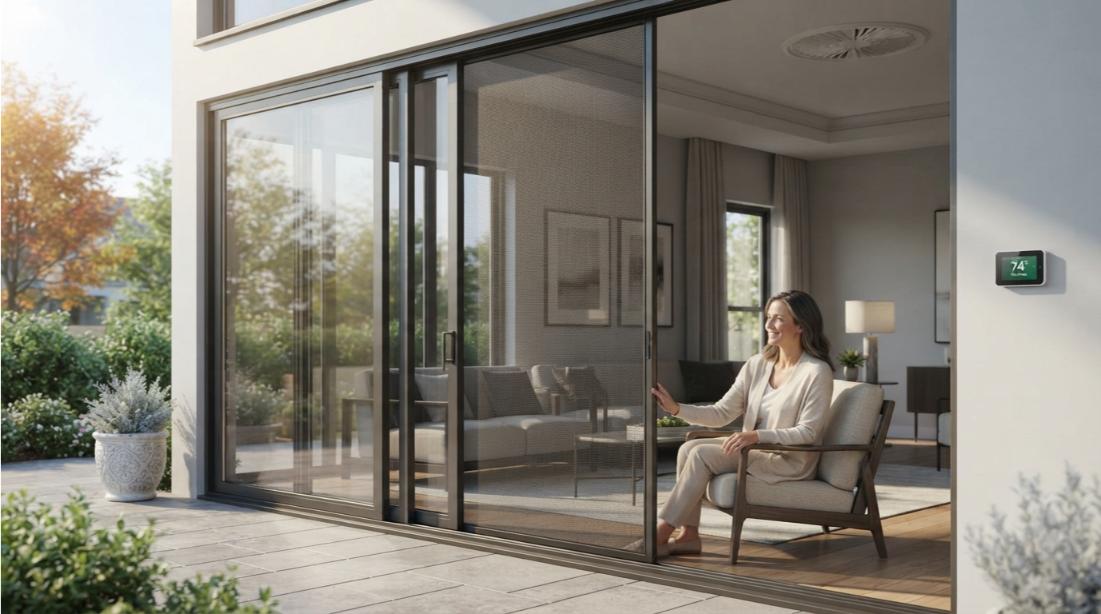
The problem is particularly noticeable in rooms with large windows, sliding glass doors, or windows that receive strong afternoon sunlight.
How Awnings Provide UV Protection
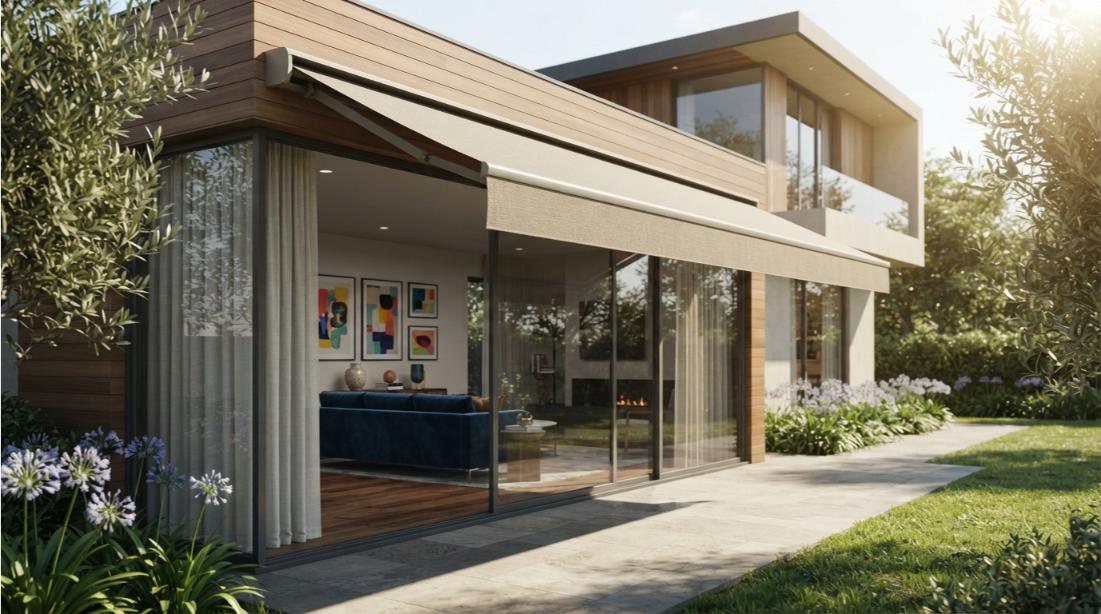
One of the biggest advantages of an awning is that it addresses sun exposure from the outside. Instead of allowing sunlight to reach the window and then trying to control it with an interior blind or curtain, an exterior awning creates shade before much of that sunlight reaches the glass.
By reducing direct solar exposure, awnings can help reduce the amount of UV radiation and visible sunlight entering a room. This can provide an additional layer of interior protection for furnishings, flooring, and window treatments.
The amount of protection will depend on factors such as the awning’s size, projection, fabric, position, window orientation, and the angle of the sun. An awning designed for a west-facing window, for example, may need to account for the lower afternoon sun differently than one installed over a window with predominantly midday exposure.
For homeowners who want more flexibility, retractable awnings can be particularly useful. They can be extended during periods of intense sunlight and retracted when homeowners want more direct natural light.
Protecting Furniture and Upholstery from Fading
Furniture is often one of the first things homeowners notice when sun damage becomes apparent. Sofas, chairs, tables, wood furniture, leather, and decorative pieces can gradually change colour when exposed to strong sunlight for long periods.
Furniture fading and discoloration
The effect may start subtly. A cushion might lose some of its original colour, or a wood finish may become lighter in an area that receives direct sunlight every afternoon. Over time, these small changes can become more obvious.
Reducing direct sun exposure can help slow this process. Awnings provide shade outside the window, helping limit the amount of intense sunlight reaching interior surfaces. This can support furniture preservation and help maintain the appearance of valuable pieces for longer.
Protecting upholstery and interior furnishings
Upholstery, curtains, rugs, and other textiles can be particularly sensitive to prolonged sunlight. Fabrics that receive several hours of direct light every day may gradually lose their colour.
Awnings don’t make furnishings completely immune to fading, but reducing the intensity and duration of direct exposure can help. For homeowners who have invested in quality furniture or decorative fabrics, this additional layer of shade can be worthwhile.
How Awnings Help Protect Different Types of Flooring
Flooring is another part of the home that can quietly show the effects of prolonged sun exposure. Large windows and patio doors can allow sunlight to reach the same section of flooring day after day, sometimes producing uneven fading.
Hardwood floors
Hardwood floors can be affected by prolonged sunlight, with exposed areas potentially developing changes in colour or finish over time. This can become especially noticeable when furniture is moved and previously shaded sections appear darker than the surrounding floor.
Reducing direct sunlight with an awning can help limit exposure and support the long-term appearance of the flooring.
Laminate flooring
Laminate flooring can also experience changes in colour when exposed to strong sunlight for extended periods. Exterior shading can reduce the intensity of sunlight reaching the surface, helping homeowners protect the appearance of their flooring.
Vinyl flooring
Vinyl flooring is another material worth considering when planning protection around highly exposed windows. Although products differ in their resistance to light and heat, reducing unnecessary direct sun exposure can be part of a sensible approach to maintaining flooring over time.
Carpets and rugs
Carpets and rugs can be particularly noticeable because fading may occur unevenly. One section exposed to a strong beam of sunlight can become lighter than another part of the same rug.
An awning can help reduce the amount of direct sunlight entering through nearby windows, potentially slowing the uneven fading process.
Protecting Curtains and Other Window Treatments
Curtains, blinds, shades, and other window treatments are positioned close to the glass, so they can receive significant sunlight throughout the day. Over time, constant exposure can cause fabrics to fade or lose some of their original appearance.
Installing an awning outside the window adds another layer of protection. Rather than relying solely on curtains or interior shades to manage intense sunlight, homeowners can reduce the amount of sun reaching the window in the first place.
This approach can be particularly useful for rooms with large windows or patio doors where substantial amounts of sunlight enter during peak hours.
Awnings Do More Than Protect Against Fading
While protecting your furnishings may be the reason you start researching awnings, the benefits don’t stop there. Exterior shade can also affect how much heat and glare enter your home.
Reducing solar heat gain
When sunlight passes through windows, some of that solar energy becomes heat inside the home. This is known as solar heat gain, and it can make sunny rooms noticeably warmer during the summer.
An awning shades the window from outside, reducing direct sunlight before it reaches the glass. That can help limit heat entering the room and contribute to a more comfortable indoor environment.
Improving temperature control
Rooms with large south- or west-facing windows can become particularly uncomfortable during periods of intense sunshine. Exterior shade can help reduce the amount of heat those rooms receive, making temperature control easier.
This can be especially helpful during hot Okanagan summers, when homeowners may already be relying heavily on air conditioning to maintain a comfortable indoor temperature.
Reducing glare
Strong sunlight can also create glare on television screens, computers, polished surfaces, and other reflective areas. Glare reduction is an often-overlooked benefit of exterior shading.
By controlling the amount of direct sunlight entering a room, an awning can make bright spaces more comfortable without requiring homeowners to keep their curtains closed throughout the day.
Supporting energy efficiency
There is also a connection between exterior shade and energy efficiency. If less solar heat enters a room, the air conditioning system may have less work to do to maintain the desired temperature.
That doesn’t mean every home will experience the same reduction in air conditioning or cooling costs. Results depend on window size, orientation, insulation, glazing, HVAC efficiency, awning design, and other factors. However, reducing unwanted solar heat is one way exterior shading can support overall home comfort and energy performance.
Where Awnings Can Make the Biggest Difference
Not every window receives the same amount of sunlight, so strategic placement matters. Awnings may be especially useful around:
- Large windows that receive several hours of direct sunlight
- Sliding glass and patio doors
- West-facing windows exposed to strong afternoon sun
- South-facing windows with significant daytime exposure
- Rooms containing valuable furniture, artwork, or sensitive fabrics
- Areas with hardwood floors, carpets, or rugs that show uneven fading
Pay attention to when sunlight enters each room rather than simply choosing the window that appears brightest. Morning and afternoon sun arrive from different angles, and an awning needs to provide appropriate coverage for the specific opening.
Retractable Awnings Offer Flexible Interior Protection
One reason homeowners choose retractable awnings is the ability to adjust shade as conditions change.
During a hot afternoon, the awning can be extended to reduce direct sunlight and heat. Later, when the sun moves away from the window, it can be retracted to allow more natural light into the home.
This flexibility is useful through changing seasons as well. Homeowners may want more shade during the summer but prefer to welcome additional sunlight during cooler months.
The goal isn’t necessarily to block every ray of sunlight. Instead, retractable awnings allow homeowners to manage sun exposure according to the time of day, season, and comfort level.
How to Get the Most Protection from an Awning
The effectiveness of an awning depends heavily on proper planning and installation. Start by identifying which windows receive the strongest direct sunlight and at what times of day.
Consider the window’s orientation, the size of the opening, the awning’s projection, and the angle of the sun. The material and design of the awning fabric also matter because outdoor fabrics are exposed to sunlight and weather themselves.
For maximum interior protection, it can also make sense to combine exterior shade with other strategies. Quality window coverings, UV-resistant furnishings, and thoughtful furniture placement can all complement an awning.
The important point is to treat sun protection as a long-term strategy rather than waiting until noticeable fading has already occurred.
Do Awnings Completely Prevent Fading and Sun Damage?
No. Awnings can reduce direct sunlight and UV exposure, but they cannot eliminate every source of light entering a home.
Reflected sunlight, changing sun angles, uncovered portions of a window, and ambient daylight can still contribute to fading. Different materials also have different levels of resistance to UV exposure.
For that reason, it is more accurate to think of an awning as a way to reduce the conditions that contribute to sun damage, rather than a guarantee that furniture or flooring will never fade.
Proper sizing, placement, fabric selection, and installation all play a role in how much protection an awning provides.
Frequently Asked Questions
Do awnings prevent furniture from fading?
Awnings can help reduce furniture fading by limiting direct sunlight and UV exposure entering through nearby windows. They won’t eliminate fading completely, but reducing repeated exposure can help slow the process.
Can awnings protect hardwood floors from sun damage?
Yes, exterior shade can reduce the amount of direct sunlight reaching hardwood floors. This may help slow colour changes and uneven fading, particularly near large windows and patio doors.
Do retractable awnings provide UV protection?
Retractable awnings can provide UV protection when extended, because they shade the window and reduce direct sunlight entering the home. The actual level of protection depends on the awning fabric, coverage, orientation, and installation.
Can awnings reduce indoor heat?
Yes. By shading windows from outside, awnings can reduce solar heat gain and help keep rooms more comfortable during sunny periods.
Can awnings lower air conditioning costs?
They may help reduce cooling demand by limiting unwanted solar heat entering the home. However, actual energy savings vary considerably depending on the home’s windows, insulation, HVAC system, orientation, climate, and awning design.
Which rooms benefit most from awnings?
Rooms with large windows, sliding patio doors, strong afternoon sun, or valuable furniture and flooring can benefit significantly from exterior shade.
Bottom Line
Awnings offer more than shade for a patio or deck. By reducing direct sunlight and UV exposure before it reaches your windows, they can help protect furniture, upholstery, flooring, carpets, rugs, curtains, and other interior furnishings from gradual fading and discoloration. They can also reduce glare, solar heat gain, and cooling demand. For homeowners seeking flexible control, retractable awnings provide practical protection while keeping natural light and outdoor comfort within reach.