Mistakes Homeowners Make When Choosing Exterior Shade Solutions
Exterior shading can make a noticeable difference in how comfortable a home feels, especially during hot summer months. But many homeowners rush into a purchase without fully understanding how these systems work or what actually matters for long-term performance. The result is often poor coverage, weak durability, or unnecessary maintenance costs. In this guide, we’ll walk through the most common shading mistakes so you can avoid them and choose a system that delivers real comfort, protection, and value.
Incorrect Product Selection for Your Home
One of the most common exterior shade solutions mistakes is choosing a system that simply doesn’t match the space or purpose. Many homeowners focus on appearance instead of function, which leads to disappointing results once the system is installed.
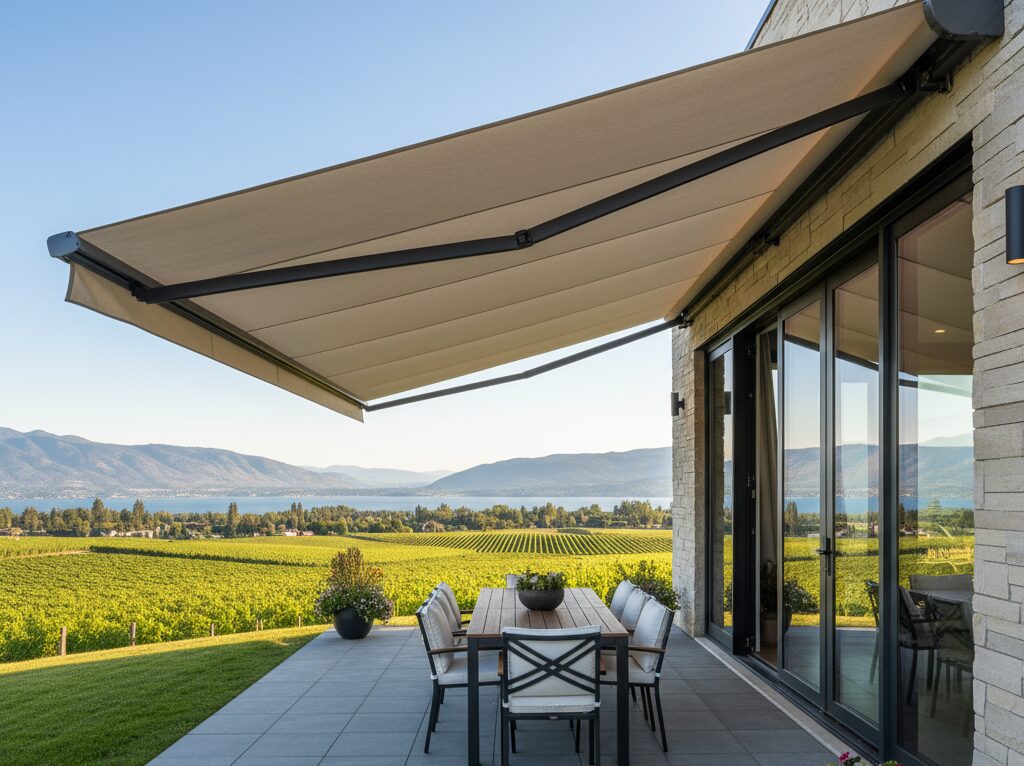
For example, retractable awning mistakes often happen when people install lightweight systems in areas exposed to strong wind or heavy sun. Without proper weather resistance performance, these systems can wear out quickly or become unsafe during storms.
Another issue is the manual vs motorized shading choice. Motorized shade system errors usually occur when homeowners choose automation for convenience but don’t consider long-term maintenance or power dependency. While automation is useful, it also introduces automation system failure risks if not properly maintained.
Material choice also matters. Aluminium vs fabric shading systems behave very differently in real environments. Aluminium tends to offer stronger durability, while fabric systems rely heavily on UV protection performance and can degrade faster under constant sun exposure.
Improper Sizing and Measurement Errors
Improper sizing and measurements can completely reduce the effectiveness of a shading system, even if the product itself is high quality. If the dimensions are incorrect, coverage will be uneven and certain areas will remain exposed to direct sunlight.
A common issue is sun exposure miscalculation. Homeowners often assume a shade will cover more area than it actually does, especially during different times of the day when the sun angle changes.
Solar heat gain misjudgment is another frequent problem. Without accurate planning, shaded areas may still experience overheating, reducing overall heat control efficiency. Proper measurement ensures that the system actually blocks heat where and when it matters most.
Poor Installation Quality and DIY Risks
Even the best shading system can fail if installation is not done correctly. Poor installation quality is one of the biggest reasons outdoor shading systems underperform or fail early.
Many homeowners attempt DIY installation to save money, but DIY installation risks often include incorrect anchoring, unstable frames, and uneven tension. These issues can lead to long-term performance problems or even safety hazards.
Professional installation importance becomes clear when dealing with wind load resistance issues. Shading systems must be securely mounted to handle wind pressure and environmental stress. Without proper support, mounting structure failure can occur over time, especially in exposed outdoor areas.
A correctly installed system ensures stability, safety, and consistent performance throughout its lifespan.
Wind Load and Weather Resistance Mistakes
Ignoring environmental conditions is another major mistake when choosing exterior shading. Many homeowners underestimate how much wind, rain, and seasonal changes can affect performance.
Wind load resistance issues are especially common in open spaces like patios or rooftop installations. If a system is not designed for local conditions, it may bend, tear, or detach during strong winds.
Weather resistance performance is equally important. Materials that are not designed for long-term exposure can weaken over time, especially in climates with strong sun, rain, or snow cycles.
Proper planning ensures that the system remains stable and functional in real-world conditions, not just ideal ones.
Material Quality and Durability Issues
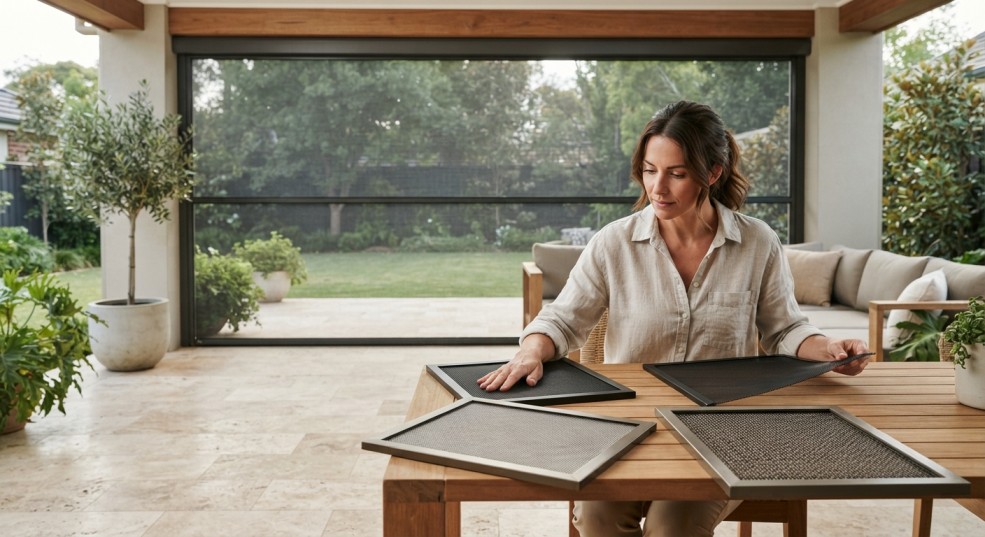
Material quality selection plays a major role in how long a shading system will last. One of the most common mistakes is choosing low-cost materials without considering long-term durability.
Fabric durability problems often appear after repeated exposure to UV rays, wind, and moisture. Over time, fabrics can fade, stretch, or tear, especially if UV protection performance is weak.
When comparing aluminium vs fabric shading systems, aluminium generally offers better structural strength and longer lifespan, while fabric systems require more care and replacement over time.
Ignoring these differences often leads to long-term performance problems and higher maintenance costs.
UV Protection and Heat Control Miscalculations
Many homeowners assume all shading systems provide the same level of protection, but that is not true. UV protection performance varies significantly depending on materials and design.
Heat control efficiency is often overestimated, especially in areas with large glass surfaces. Without proper planning, sunlight can still enter at certain angles, reducing the effectiveness of the system.
Solar heat gain misjudgment is a common issue, particularly in homes where seasonal sun angles change dramatically. Sun exposure miscalculation can result in uneven cooling, where some areas remain hot while others are shaded.
Proper system design is essential to ensure consistent temperature control throughout the day.
Motorized and Automation System Errors
Motorized systems offer convenience, but they also introduce more complexity. Motorized shade system errors usually occur when homeowners choose advanced systems without understanding their technical requirements.
Automation system failure risks include sensor issues, motor breakdowns, and power dependency problems. These issues can affect reliability, especially during extreme weather or power interruptions.
The manual vs motorized shading choice should be based on lifestyle needs and maintenance expectations, not just convenience or appearance.
Shade Sail and Retractable System Mistakes
Shade sail installation mistakes are often related to poor tensioning or weak anchor points. If not installed correctly, sails can sag, tear, or lose effectiveness.
Retractable awning mistakes typically involve incorrect positioning or installing the system in areas with too much wind exposure. Over time, this reduces lifespan and increases repair needs.
These systems require careful design and correct installation to perform reliably.
Incorrect Placement and Orientation
Incorrect placement orientation is a subtle but critical issue. Even a high-quality shading system will underperform if it is not positioned correctly relative to the sun’s movement.
Sun exposure miscalculation often leads to partial shading, where only part of the area is protected during peak sunlight hours.
Correct orientation ensures better heat control efficiency and more consistent indoor comfort throughout the day.
Maintenance Neglect and Long-Term Performance Issues
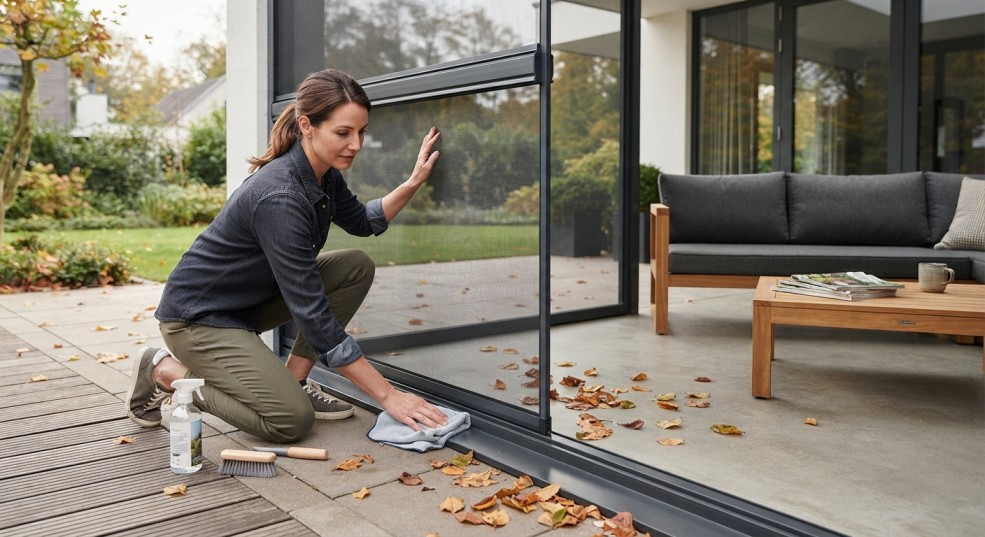
Maintenance neglect issues are one of the most overlooked problems with exterior shading systems. Dirt buildup, worn components, and lack of inspection can significantly reduce performance over time.
Weather resistance performance naturally decreases if systems are not cleaned or maintained regularly.
Long-term performance problems can usually be avoided with simple maintenance routines such as cleaning fabric surfaces, checking hardware, and inspecting mounting points.
How to Avoid These Exterior Shade Mistakes
Avoiding these common shading mistakes homeowners make comes down to planning, correct product selection, and professional installation. Taking time to evaluate material quality, sizing, and environmental conditions leads to much better long-term results.
Working with experienced installers helps ensure proper heat control efficiency, reduces installation errors, and improves system durability. It also minimizes the risk of outdoor shading installation errors that can lead to costly repairs.
Bottom Line
Choosing the right exterior shade system requires more than just picking a design you like. It involves understanding climate conditions, installation quality, material performance, and long-term maintenance needs. By avoiding these common mistakes, homeowners can ensure better comfort, stronger durability, and reliable performance for years to come.