How Retractable Screens Help Reduce HVAC Costs Year-Round
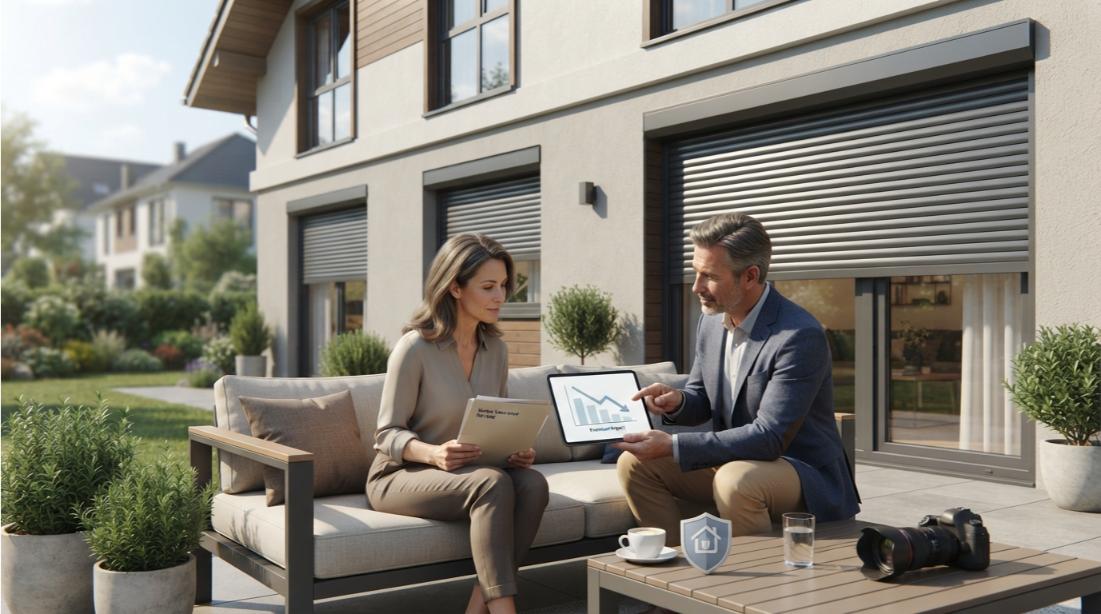
Retractable screens are often installed for insect protection, privacy, and a more comfortable outdoor living space. But they can also play a useful role in home energy efficiency. By controlling sunlight, reducing solar heat gain, and allowing natural ventilation when outdoor temperatures are comfortable, the right screen system can complement your HVAC system throughout the year. While screens won’t replace heating or cooling equipment, they may help reduce the workload placed on it.
How Retractable Screens Can Affect HVAC Costs
Your home’s HVAC system has to work harder when indoor temperatures rise significantly above your preferred comfort level. One of the biggest contributors to that heat gain can be direct sunlight entering through windows, sliding glass doors, and other large openings.
Retractable screens provide another layer between the outdoor environment and these openings. When deployed, they can help manage sunlight before it reaches the glass and transfers heat indoors.
This is particularly useful during sunny summer afternoons. Instead of relying entirely on air conditioning to counteract the heat entering through large glazed areas, homeowners can use exterior screening as part of their overall temperature-control strategy.
The result isn’t guaranteed energy savings for every home, but reducing unnecessary heat gain can potentially reduce cooling demand and contribute to better HVAC energy efficiency.
Retractable Screens and Summer Cooling Costs
Summer is typically where the connection between retractable screens and HVAC costs becomes most noticeable.
When sunlight strikes windows and glass doors, solar energy can pass through the glazing and increase the temperature of interior spaces. Rooms with large south- or west-facing windows can be particularly affected during periods of intense afternoon sun.
A retractable screen can provide sun control outside the opening. Depending on the mesh and system, it can reduce the amount of solar radiation reaching the glass while still allowing some daylight and outdoor visibility.
Reducing air conditioning costs
When less heat enters a room, the air conditioner may not need to operate as frequently or for as long to maintain the desired indoor temperature.
That doesn’t mean every homeowner will see the same reduction in air conditioning costs. Home design, insulation, window performance, weather conditions, HVAC efficiency, and screen selection all influence actual results.
Still, using retractable screens strategically can be a practical part of a broader approach to managing cooling costs.
Managing peak afternoon heat
The timing of screen use also matters. During the hottest part of a summer day, exterior screens can be deployed over the openings receiving the strongest direct sunlight.
Motorized retractable screens make this especially convenient because homeowners can adjust them without manually handling a large screen. With compatible controls, screens can also be operated according to schedules or environmental conditions.
Solar Screen Mesh for Heat and Glare Control
Not all screen mesh performs the same way. If energy efficiency is one of your priorities, choosing the appropriate mesh is an important part of the process.
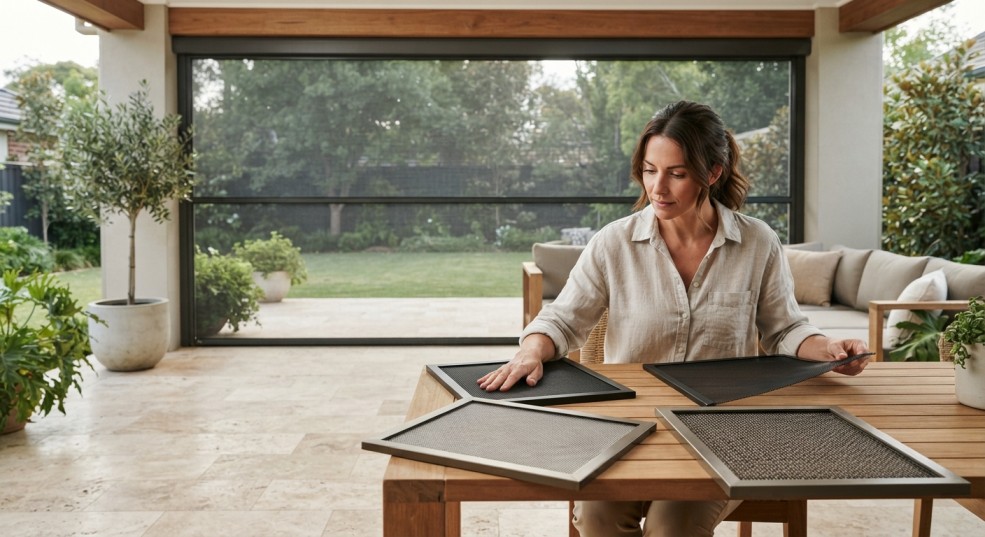
Solar screen mesh is designed to help control sunlight and solar heat while maintaining varying levels of visibility and airflow. Depending on the product, it can also provide UV protection and reduce glare.
A darker or more tightly woven mesh may provide different solar-control characteristics than a more open mesh. The right choice depends on what you want from the screen.
For example, a homeowner with a west-facing patio may prioritize heat reduction and glare control, while someone with a scenic outdoor view may want to balance sun control with visibility.
The goal isn’t simply to choose the darkest or most restrictive mesh. It’s to find a practical balance between solar protection, airflow, natural light, visibility, and comfort.
Natural Ventilation Can Reduce Mechanical Cooling
Solar shading is only one side of the energy-efficiency equation. Retractable screens can also make it easier to use natural ventilation.
When outdoor temperatures are comfortable, opening windows and doors can introduce fresh air into the home and improve airflow. A retractable screen allows the opening to remain accessible while helping keep insects outside.
This can be particularly useful during spring and fall, or during cooler mornings and evenings in summer.
Instead of automatically turning on the air conditioner whenever a room feels warm, homeowners can sometimes take advantage of outdoor conditions and allow natural airflow to help moderate indoor temperatures.
Cross-ventilation through large openings
Homes with multiple windows and doors positioned across different sides of a room may benefit from cross-ventilation. Opening one side of the home to incoming air and another to outgoing air can create a more noticeable airflow.
Retractable screens can support this approach by allowing homeowners to use large openings without leaving them completely exposed to mosquitoes and other insects.
Natural ventilation won’t work equally well in every situation. Outdoor temperature, humidity, wind, air quality, and home layout all matter. But when conditions are favorable, it can reduce the need for mechanical cooling.
How Retractable Screens Help With Year-Round Comfort
The benefits of retractable screens aren’t limited to one season.
Summer: heat reduction and sun control
During hot weather, screens can help reduce solar heat gain, glare, and exposure to UV rays. This can make rooms and covered outdoor spaces more comfortable while potentially reducing the demand placed on air conditioning.
Spring and fall: natural ventilation
During milder seasons, retractable screens can make it easier to open windows and doors for fresh air. Instead of keeping everything closed because of insects, homeowners can enjoy airflow while maintaining a screened barrier.
Cooler months: wind and weather protection
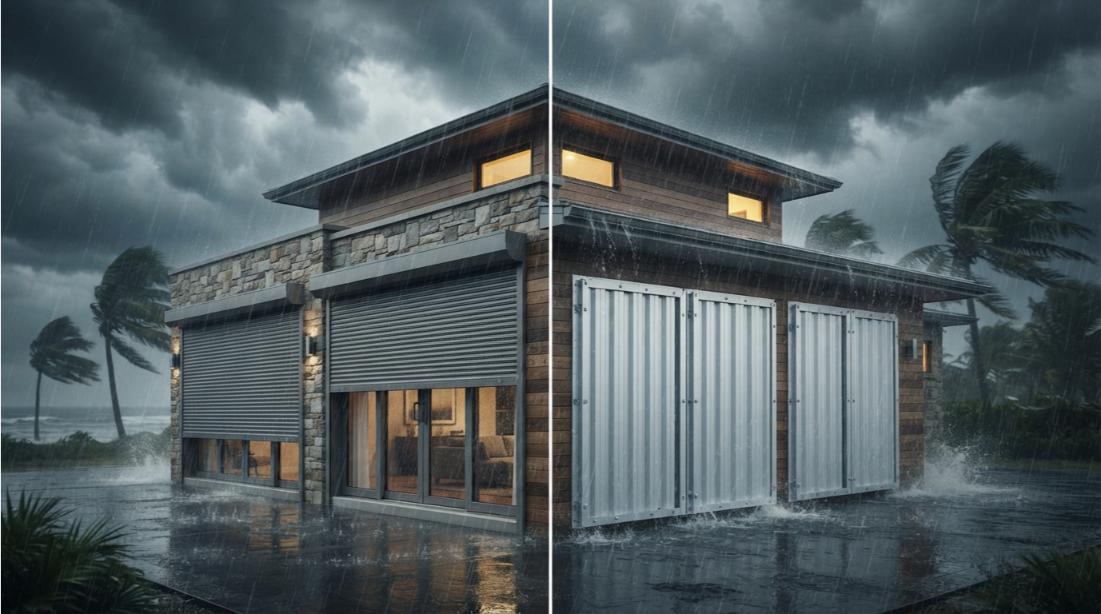
Some exterior screen systems can provide a degree of wind and rain protection when deployed. This can make patios, decks, and other transitional spaces more comfortable during changing weather.
However, screens shouldn’t be treated as a replacement for insulation, properly sealed windows, or an efficient heating system. Their role is better understood as one part of a home’s overall climate-control strategy.
Retractable Screens, Windows and Doors
Where you install retractable screens can make a significant difference to their usefulness.
Sliding glass doors
Sliding glass doors can account for a substantial amount of glazing in a home. They provide excellent access to patios and outdoor spaces, but they can also receive considerable sunlight.
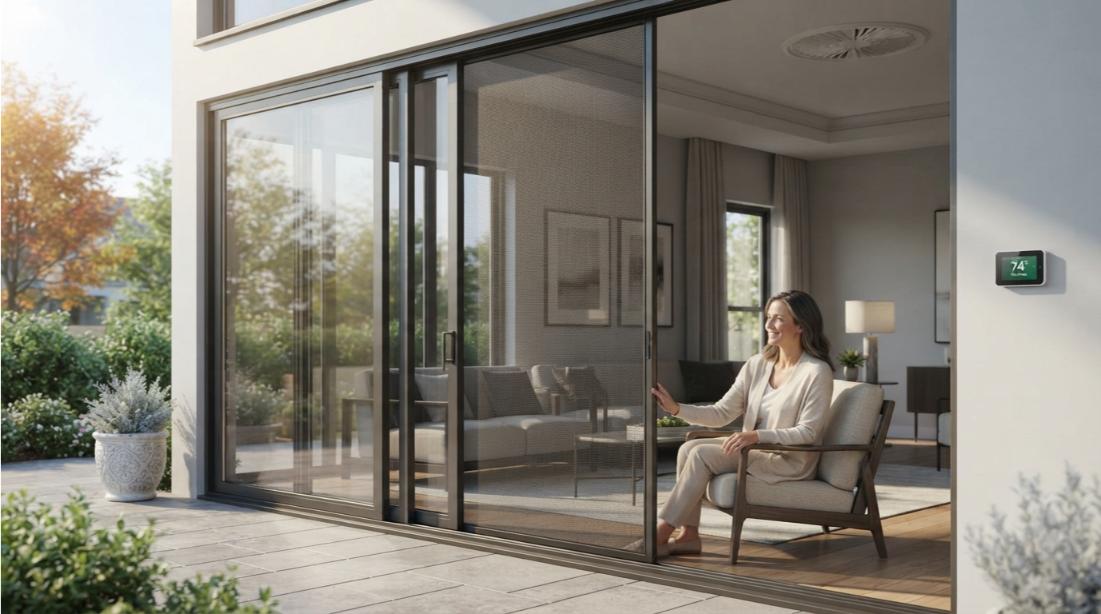
A properly fitted retractable screen can help control sun exposure while preserving access to the outdoors. It can also provide insect protection when the door is open.
Windows
Windows that receive strong direct sunlight may also benefit from exterior screening. This is particularly relevant for rooms that become noticeably warmer during the afternoon.
Rather than treating every window identically, homeowners can prioritize the openings that contribute most to solar heat gain.
Large openings
Modern homes often feature wide patio openings, folding doors, outdoor kitchens, and expansive indoor-outdoor living areas.
These large openings can be challenging to screen with traditional fixed products. Retractable screens provide a flexible option because they can cover the opening when needed and retract when an unobstructed view or open access is preferred.
Motorized Retractable Screens Make Climate Control Easier
Motorization doesn’t automatically make a screen more energy efficient. Its biggest advantage is convenience and consistent operation.
A manually operated screen may stay retracted simply because someone doesn’t want to walk outside and adjust it. A motorized system can make it much easier to deploy screens whenever direct sunlight becomes intense.
With smart-home integration, some systems can also be controlled remotely or incorporated into automated routines.
Using weather sensors
Compatible weather sensors can potentially respond to environmental conditions such as sunlight or wind. This allows the screen system to be more responsive to changing conditions without requiring constant manual adjustments.
For example, a homeowner might use automated controls to deploy screens during strong afternoon sun and retract them when conditions change.
The exact capabilities depend on the motorized system, controls, and available smart-home integration.
Choosing the Right Screen Mesh for Energy Efficiency
Mesh selection deserves careful consideration because energy performance isn’t the only factor that matters.
A solar screen mesh may provide stronger sun control, while a more open mesh may prioritize visibility and airflow. Homeowners may also want insect protection, privacy, or UV protection.
The home’s orientation is another consideration. A patio facing intense afternoon sun may have different requirements from a shaded opening facing north.
It’s also important to consider the size of the opening, the amount of glass behind the screen, the desired outdoor view, and how often the screen will be used.
A custom-fit system allows these factors to be considered together rather than treating every opening as though it has the same requirements.
Can Retractable Screens Really Lower HVAC Costs?
They can potentially contribute to lower HVAC demand, but there is no universal amount of energy savings that applies to every home.
A screen’s impact depends on several factors, including:
- Amount of direct sunlight
- Window and door orientation
- Glass area
- Screen mesh
- Existing window performance
- Insulation
- Outdoor temperature
- HVAC efficiency
- How consistently the screens are used
For example, a home with large west-facing sliding glass doors may have more opportunity for solar heat reduction than a home with smaller, heavily shaded windows.
This is why it’s better to think of retractable screens as an energy-efficiency tool rather than a guaranteed method of cutting a specific percentage from your utility bill.
Retractable Screens vs. Traditional Window Coverings
Interior blinds and curtains can certainly help control sunlight, but exterior screens have a different position in the heat-control process.
An exterior screen can intercept sunlight before it reaches the glass. This can make it a useful option for homeowners looking specifically at solar heat gain.
Fixed exterior shades and awnings can also provide sun control, but retractable screens offer flexibility. They can be deployed when protection is needed and retracted when homeowners want an open view or unobstructed access.
The right solution depends on the home’s design, opening size, desired appearance, level of automation, and the type of comfort control the homeowner wants.
Other Benefits That Can Improve Home Comfort
HVAC efficiency isn’t the only reason homeowners choose retractable screens.
Insect protection can make it easier to open patio doors and enjoy fresh air. UV protection can help limit exposure to sunlight, while glare reduction can make indoor and outdoor spaces more comfortable.
Screens can also contribute to privacy depending on the selected mesh and provide a more comfortable transition between indoor and outdoor areas.
For homeowners who regularly use patios, decks, covered outdoor kitchens, or entertaining spaces, these benefits can make the space more usable throughout the year.
How to Maximize HVAC Savings With Retractable Screens
Getting the most from a retractable screen system starts with using it strategically.
Prioritize openings that receive significant direct sunlight, especially during the hottest part of the day. Deploy screens before the interior space becomes noticeably warm rather than waiting until the HVAC system has already been working hard.
When outdoor conditions are comfortable, retract the screens and open appropriate windows or doors to encourage natural ventilation.
Motorized controls can make this routine easier, while compatible weather sensors can provide additional automation.
Most importantly, select the mesh based on the home’s actual needs. Solar heat control, airflow, visibility, UV protection, and insect protection all deserve consideration.
Are Retractable Screens a Replacement for Air Conditioning?
No. Retractable screens should complement an HVAC system rather than replace it.
They don’t eliminate the need for air conditioning during extreme heat or replace proper insulation, efficient windows, sealing, or a well-maintained heating and cooling system.
Instead, they can help address one part of the energy equation: how much outdoor heat and sunlight enters through windows and large openings, and how easily homeowners can take advantage of natural airflow when conditions are suitable.
Think of retractable screens as one layer within a broader approach to energy efficiency and indoor comfort.
Frequently Asked Questions About Retractable Screens and HVAC Costs
Can retractable screens reduce air conditioning costs?
They can potentially reduce cooling demand by limiting solar heat gain and allowing homeowners to use natural ventilation when outdoor conditions are comfortable. Actual savings vary by home.
Do retractable screens help with heating costs?
Their primary energy-related benefit is often associated with summer cooling, but certain systems can also provide wind and weather protection during cooler conditions. Their impact on heating costs depends on the property and how the screens are used.
What is solar screen mesh?
Solar screen mesh is designed to provide sun control while allowing varying levels of airflow and visibility. Depending on the material, it can also provide UV protection and glare reduction.
Do retractable screens block UV rays?
Many screen meshes provide some level of UV protection, but performance varies between products. Homeowners should check the manufacturer’s specifications when UV protection is an important consideration.
Can I use retractable screens with sliding glass doors?
Yes. Retractable screens are commonly used for sliding glass doors and other large openings, provided the opening is suitable for the selected system.
Do motorized retractable screens save more energy?
Motorization itself doesn’t guarantee energy savings. Its main advantage is convenience and consistent operation, which can make it easier to deploy screens when sunlight or weather conditions call for them.
Can retractable screens connect to smart-home systems?
Some motorized systems support smart-home integration and automated controls. Depending on the system, homeowners may be able to use remote controls, schedules, or compatible weather sensors.
Bottom Line
Retractable screens can do more than keep insects outside. By providing sun control, reducing solar heat gain, supporting natural ventilation, and improving comfort around windows, sliding glass doors, and large openings, they can complement a home’s HVAC system throughout the year. The actual energy savings will depend on the home, climate, mesh, and usage. For homeowners seeking better comfort and energy efficiency, a properly selected and installed screen system can be a practical addition.