How UV Exposure in the Okanagan Impacts Awning Longevity
Living in the Okanagan means enjoying over 2,000 hours of sunshine annually. While that’s great for your tan and your mood, it’s not so kind to your outdoor awnings. The intense UV radiation we experience here doesn’t just fade colors, it systematically breaks down awning materials in ways most homeowners don’t realize until it’s too late. Let’s dive into what really happens when the Okanagan sun meets your awning.
Why the Okanagan’s UV Environment Is Uniquely Harsh
The Okanagan Valley sits at a higher elevation than many Canadian regions, which means we’re closer to the sun and receive more intense ultraviolet rays. During peak summer months from May through August, our UV index regularly hits extreme levels. This prolonged exposure to UV radiation creates a perfect storm for material degradation.
Unlike coastal areas where marine layers provide some UV filtering, our dry climate offers zero protection. Every sunny day and we get plenty, your awning takes a beating from both UVA and UVB rays. UVA rays penetrate deeper into fabric materials, while UVB rays attack the surface. Together, they work like a slow-motion demolition crew on your outdoor shade solutions.
The Science of UV Damage: More Than Just Fading
Most people think sun damage means a bit of discoloration. The reality is far more complex. UV rays break down the molecular bonds in awning fabrics at a microscopic level. This process, called photodegradation, weakens the structural integrity of the material long before you notice any color changes.
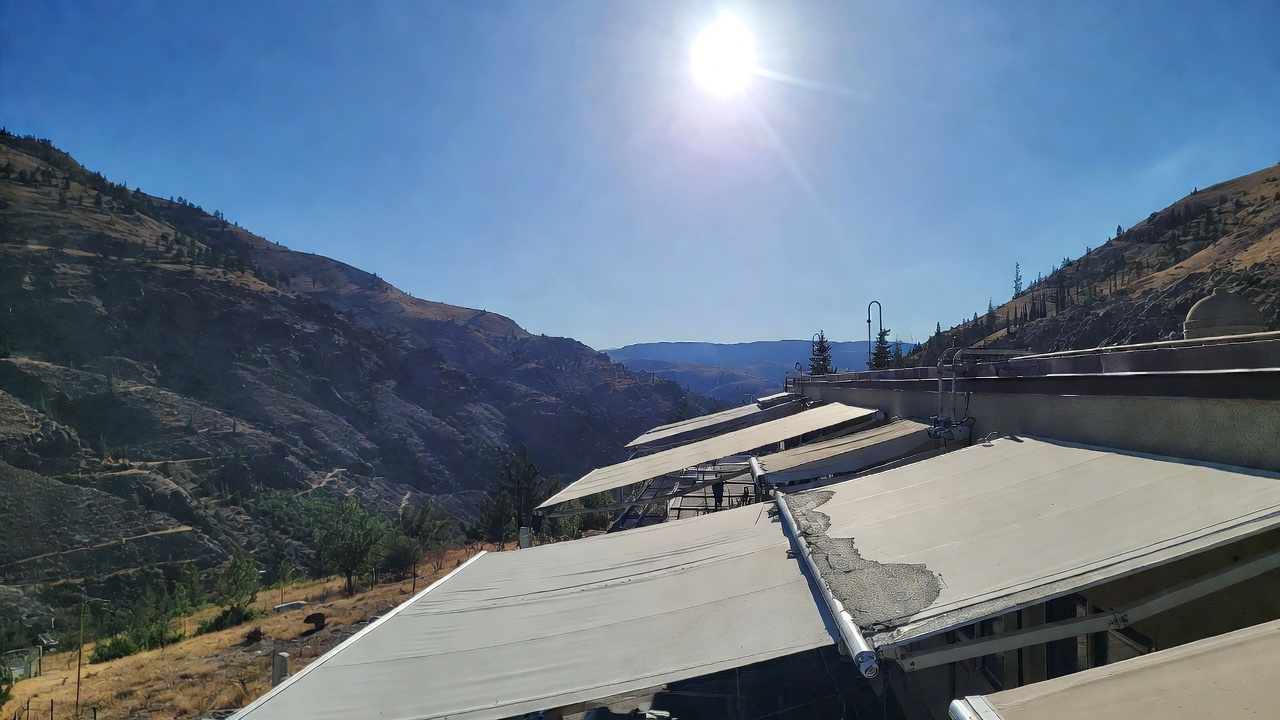
Think of it like this: UV exposure is essentially cooking your awning fabric, slowly but surely. The color fastness you see advertised? That’s just the tip of the iceberg. As fibers break down, the fabric loses its tear resistance, its water-repellent properties start failing, and even its ability to resist mildew and mold diminishes. What started as a weatherproof barrier gradually became a liability.
The damage compounds over time. First-year sun exposure might cause minimal visible changes, but by year three or four with inferior materials, you’re looking at significant deterioration. The fabric becomes brittle, seams start separating, and that once-vibrant color has faded to something you’d rather not look at.
Not All Awning Fabrics Are Created Equal
Here’s where things get interesting. Solution-dyed acrylic fabric is the gold standard for Okanagan conditions, and there’s solid science behind why. Unlike cheaper alternatives where color is applied after the fabric is woven, solution-dyed fabric has color integrated into the acrylic fibers during manufacturing. This means the color goes all the way through each fiber.
The result? Superior fade resistance that can handle our intense sunlight for 8 to 12 years without significant color loss. Solution-dyed acrylic maintains its structural integrity far longer than polyester fabric or traditional canvas awnings. It’s not just about looking good, it’s about maintaining the awning fabric durability that protects your investment.
Polyester fabric has its place, but in the Okanagan’s high-UV environment, it simply doesn’t match acrylic’s performance. Polyester tends to yellow over time and loses tensile strength faster when exposed to prolonged sunlight exposure. Canvas awnings? They’re charming and traditional, but they require constant maintenance and typically need replacement within five years of Okanagan sun exposure.
Beyond Fabric: The Complete Protection Picture
Smart awning selection means looking beyond just the fabric. The UV protection factor, or UPF rating, tells you how much UV radiation the material blocks. Quality awnings often carry UPF certification from organizations like the Skin Cancer Foundation. These aren’t just marketing badges; they represent real protection for both your family and your furniture.
Modern retractable awnings with motorized features and smart technology offer a tactical advantage. Wind sensors automatically retract the awning when gusts pick up, preventing structural damage. Smart controls let you program the awning to extend during peak UV hours and retract overnight, maximizing fabric longevity while maintaining energy efficiency.
The frame matters too. Powder-coated aluminum resists corrosion and rust far better than painted steel, especially important given our temperature swings. Quality craftsmanship and German engineering standards in frame construction mean your awning maintains proper tension and alignment, which reduces fabric stress and extends lifespan.
Your Awning Works Harder Than You Think
While we’re focused on UV damage to the awning itself, don’t overlook what a quality awning does for you. Proper furniture protection prevents your outdoor seating from fading and cracking. Interior protection means your hardwood floors and upholstery last years longer. Some homeowners report up to 25% reduction in cooling costs that’s significant energy efficiency that pays back your awning investment.
Heat gain reduction through strategic awning placement can drop indoor temperatures by several degrees during Okanagan summers. Less heat means less air conditioning, which translates to lower utility bills and a smaller carbon footprint. Your awning isn’t just shade, it’s a smart home upgrade that keeps working year after year.
Making Your Awning Last in Okanagan Conditions
Even the best solution-dyed acrylic needs some care. Regular cleaning prevents dirt buildup that can accelerate UV damage. A simple brush and mild soap treatment twice a year keeps the fabric fresh and maintains its water resistance. Check the manufacturer’s guidelines, but most quality awnings handle gentle cleaning without issues.
Proper maintenance means inspecting your awning seasonally. Look for early signs of wear at stress points, check that hardware remains tight, and ensure the retraction mechanism works smoothly. If you have a retractable awning, using it keeping the fabric tensioned actually prevents sagging that can cause premature wear.
During extreme weather events, retract your awning. Even the most wind-resistant designs have limits. Smart upkeep means knowing when to protect your investment. Modern motorized awnings with automated sensors handle much of this for you, but manual systems need your attention during windstorms or heavy snow.
Choosing the Right Awning for Okanagan Weather
When you’re shopping for an awning in Kelowna or anywhere in the BC Interior, don’t compromise on material quality. Solution-dyed acrylic with a high UPF rating isn’t a luxury, it’s a necessity for our climate. Pair that with powder-coated aluminum frames and quality hardware, and you’ve got an awning that’ll serve you well for over a decade.
Look for manufacturers who understand harsh UV environments. Weather resistance in Vancouver means something different than weather resistance in Osoyoos. Your awning supplier should know the difference and recommend accordingly. Custom solutions beat one-size-fits-all every time, especially when dealing with the specific challenges of Okanagan sun exposure.
Shutters and Shade has been serving the BC Interior for over 20 years because we understand exactly what Okanagan conditions demand. Our custom-manufactured awnings use premium solution-dyed fabrics and powder-coated aluminum frames designed specifically for high-UV environments. We offer both manual and motorized options with smart home integration, all installed professionally with a typical turnaround of just two weeks from order to installation.
Whether you’re in Kelowna, Vernon, Penticton, or anywhere from Osoyoos to Williams Lake, we bring the same expertise to every project. Our free consultations help you choose the right awning configuration for your specific exposure, architectural style, and budget. We’re not just selling awnings, we’re solving shade challenges with solutions built to last in our unique climate.
The Okanagan’s spectacular sunshine comes with real consequences for outdoor materials. Quality awnings with fade-resistant, solution-dyed fabrics and proper weather protection aren’t optional extras; they’re essential investments. Choose wisely, maintain properly, and your awning will provide reliable shade and energy savings for years to come. Ready to protect your outdoor space from UV damage? Contact Shutters and Shade today for a free consultation.