Preparing Your Home for Okanagan Summer Sun
The Okanagan is known for its beautiful summers, but those long, sunny days also bring intense heat that can make homes uncomfortable and expensive to cool. With extreme heat and heat waves becoming more common, preparing your home before temperatures climb is one of the smartest investments you can make. By combining effective shading, proper insulation, and good ventilation, you can create a cooler, more comfortable home while keeping energy use under control.
Why Okanagan Summers Can Be Tough on Homes
Living in the Okanagan Valley means enjoying warm weather, clear skies, and plenty of sunshine. While these conditions are ideal for spending time outdoors, they also expose homes to prolonged periods of direct sunlight.
One of the biggest contributors to indoor heat is solar heat gain. As sunlight passes through windows, it warms interior surfaces, causing rooms to heat up throughout the day. Homes with large south-facing windows often receive consistent sunlight from morning to late afternoon, while west-facing windows can experience intense afternoon heat when outdoor temperatures are already at their highest.
Without the right protection, these windows can turn living rooms, kitchens, and bedrooms into uncomfortable spaces that rely heavily on air conditioning to stay cool.
As electricity demand rises during the hottest months, homeowners often notice higher utility bills. Taking steps to reduce heat before it enters your home not only improves comfort but also contributes to long-term home energy savings.
Strengthen Your Home’s First Line of Defense
Keeping your home cool starts with creating a strong barrier against outdoor heat. Before considering cooling equipment, it’s worth evaluating how well your home’s envelope protects against rising temperatures.
Check Your Home Insulation
Many people think of home insulation as something that keeps houses warm during winter, but it plays an equally important role during summer.
Quality attic and wall insulation slows the transfer of outdoor heat into your home. When insulation performs as intended, cooled indoor air stays inside longer, reducing the amount of work your cooling system must do throughout the day.
It’s also a good idea to inspect for air leaks around windows, doors, and attic access points. Sealing these areas helps prevent warm outdoor air from entering while keeping conditioned air where it belongs.
Proper insulation works hand in hand with other energy-efficient improvements, making it easier to maintain a comfortable indoor temperature even during the hottest Okanagan afternoons.
Upgrade Your Window Coverings
Windows are often the weakest point in a home’s defense against summer heat.
Traditional window coverings, including blinds, curtains, and interior shades, certainly help reduce glare and improve privacy. However, they only block sunlight after it has already passed through the glass.
By that point, much of the heat has already entered the home.
While interior window treatments remain valuable, pairing them with exterior solutions creates a much more effective strategy for minimizing solar heat gain and maintaining a cooler indoor environment.
Why Exterior Shading Makes the Biggest Difference
If there’s one upgrade that can dramatically improve summer comfort in the Okanagan, it’s exterior shading.
Unlike interior coverings, exterior shading blocks sunlight before it reaches windows and doors. Preventing heat from entering the building envelope is significantly more effective than trying to cool a space after it has already warmed up.
This simple principle makes exterior shading one of the most practical ways to reduce indoor temperatures naturally.
Stop Heat Before It Reaches Your Windows
Glass absorbs and transfers a surprising amount of heat during sunny weather.
Exterior shading interrupts this process by creating a protective barrier between the sun and your home.
Instead of allowing direct sunlight to warm windows throughout the day, properly positioned shading systems significantly reduce solar heat gain, resulting in cooler rooms and less reliance on mechanical cooling.
For homes with large south- or west-facing windows, this difference can be especially noticeable during peak afternoon temperatures.
Retractable Awnings
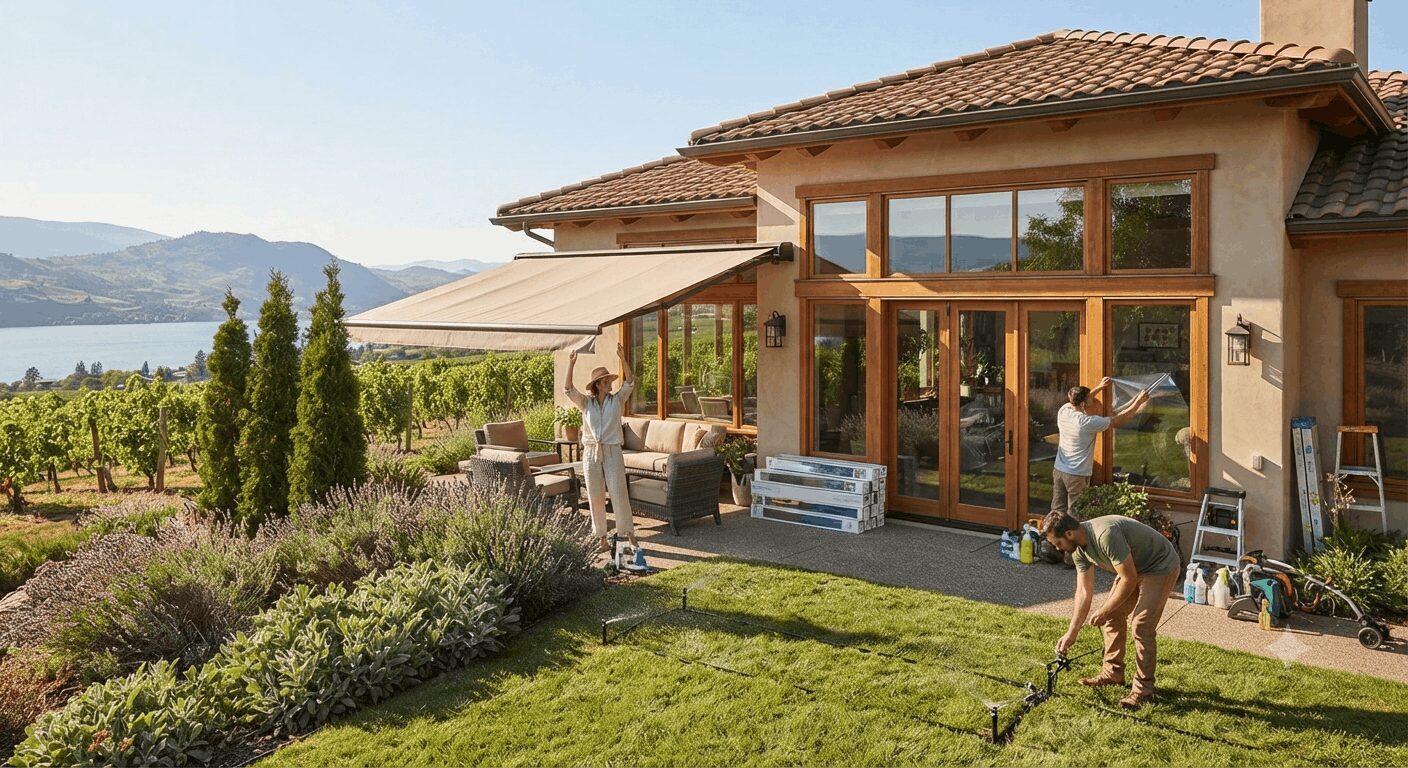
Retractable awnings are among the most versatile exterior shading options available.
Because they extend only when needed, homeowners have complete control over how much sunlight reaches their patio, deck, or windows throughout the day.
During particularly hot afternoons, an awning can create comfortable patio shade that makes outdoor dining and relaxing far more enjoyable. When temperatures cool or additional sunlight is preferred, the awning simply retracts.
Many modern systems are available with motorized operation, allowing homeowners to adjust shade quickly with the touch of a button.
Their flexibility makes retractable awnings an excellent choice for homes where sun exposure changes throughout the day.
Exterior Roller Shades
Large windows, covered patios, and sliding glass doors often require broader protection.
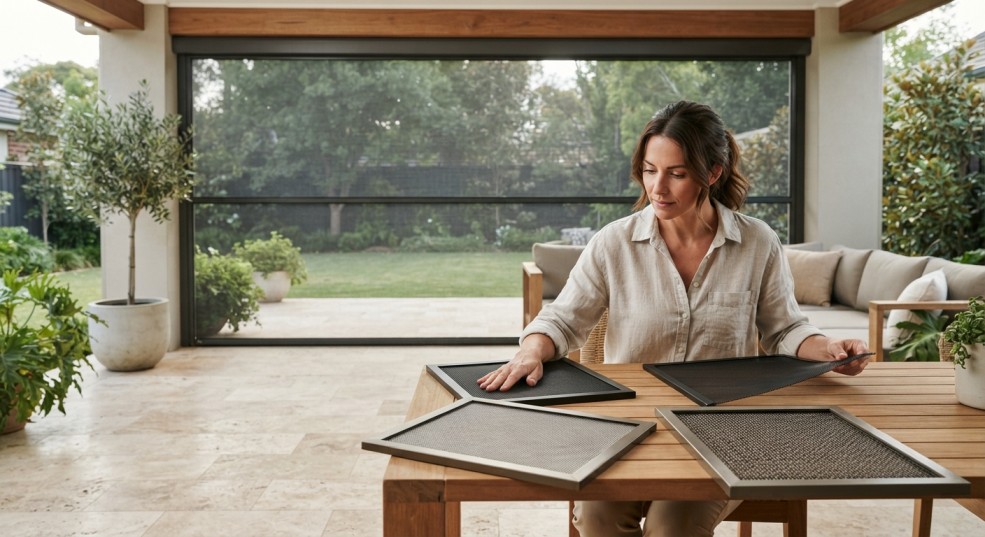
Exterior roller shades provide excellent coverage while maintaining views of the surrounding landscape.
In addition to reducing heat and glare, they offer valuable weather protection by helping shield outdoor spaces from wind and light rain. Depending on the screen material selected, they can also improve privacy while allowing airflow to continue naturally.
For homeowners who enjoy entertaining outdoors, roller shades create a more comfortable environment without making the space feel enclosed.
Lower Cooling Costs While Improving Comfort
Preparing your home for summer isn’t just about staying cool. It’s also about using energy more efficiently.
Reduce Air Conditioning Use
When less heat enters the home, cooling systems don’t need to work as hard.
Whether your home relies on traditional air conditioning or a modern heat pump, reducing indoor temperatures naturally helps these systems operate more efficiently.
Lower demand on cooling equipment can contribute to reduced cooling costs, especially during extended heat waves when HVAC systems often run for much of the day.
Rather than constantly lowering the thermostat, homeowners can often achieve greater comfort simply by preventing excessive heat from entering in the first place.
Better Indoor Thermal Comfort
Comfort involves more than air temperature alone.
Rooms exposed to direct afternoon sun often develop uncomfortable hot spots that make certain areas difficult to use.
Effective shading helps maintain consistent indoor temperatures throughout the home, improving overall thermal comfort from room to room.
Instead of constantly adjusting blinds or moving to cooler parts of the house, homeowners can enjoy more balanced temperatures all day long.
This consistency also creates a more pleasant environment for working from home, relaxing, or entertaining guests.
Protect Your Home From UV Damage
Sunlight affects more than indoor temperatures.
Extended exposure to ultraviolet rays gradually fades hardwood flooring, carpets, furniture fabrics, artwork, cabinetry, and decorative finishes.
Exterior shading provides valuable UV protection, helping preserve these investments while reducing direct sunlight inside the home.
It also creates safer outdoor environments where families can spend time without prolonged exposure to harsh summer sun.
Don’t Overlook Natural Ventilation
Shading works best when combined with good natural ventilation.
Opening windows during cooler mornings and evenings allows fresh air to circulate through the home, helping release accumulated heat from the previous day.
Creating cross-breezes by opening windows on opposite sides of the house encourages better airflow, reducing the need for mechanical cooling whenever outdoor temperatures allow.
Ceiling fans can further improve comfort by circulating air more efficiently without significantly increasing energy use.
Rather than sealing your home completely, combining exterior shading with thoughtful ventilation creates a cooler, fresher indoor environment throughout the summer.
Make Outdoor Living Spaces More Enjoyable
Summer in the Okanagan is meant to be enjoyed outdoors.
Whether you’re hosting family dinners, reading on the deck, or spending weekends by the pool, shaded outdoor areas become natural gathering places during warmer months.
Adding effective patio shade transforms outdoor spaces into comfortable extensions of the home.
Decks become cooler underfoot. Outdoor kitchens become more enjoyable for cooking and entertaining. Poolside seating offers welcome relief from direct sunlight without sacrificing the open-air experience.
Well-designed shading also reduces glare, protects outdoor furniture from fading, and creates inviting spaces that remain comfortable throughout much of the day.
By improving outdoor comfort, homeowners can spend more time enjoying everything the Okanagan summer has to offer.
Build a Summer Shading Plan That Fits Your Home
No two homes receive sunlight in exactly the same way.
Factors such as roof design, surrounding trees, landscaping, window placement, and building orientation all influence how much heat enters your home throughout the day.
A house with large west-facing windows may benefit from different shading strategies than one with expansive southern exposure.
That’s why many homeowners choose custom shading solutions designed specifically for their property’s layout and lifestyle.
A professional assessment considers how sunlight moves across your home, identifies areas where heat gain is greatest, and recommends shading options that maximize comfort without compromising aesthetics.
Whether you’re improving indoor living areas, expanding outdoor entertainment spaces, or simply looking to reduce cooling costs, a customized approach delivers better long-term results than a one-size-fits-all solution.
Frequently Asked Questions
What’s the best shading solution for west-facing windows in the Okanagan?
West-facing windows receive intense afternoon sun, making exterior roller shades and retractable awnings excellent choices. The ideal solution depends on your home’s design, desired level of shade, and how the space is used.
Can exterior shading really lower cooling costs?
Yes. Exterior shading reduces solar heat gain before sunlight reaches your windows, helping maintain cooler indoor temperatures and reducing the workload on air conditioning and heat pump systems.
Do I still need air conditioning if I install exterior shading?
Exterior shading doesn’t replace air conditioning, but it significantly improves its efficiency. Many homeowners find their cooling systems run less often once effective shading is installed.
How do I prepare my home for Okanagan heat waves?
Start by checking insulation, sealing air leaks, improving window protection, adding exterior shading where needed, and maximizing natural ventilation during cooler parts of the day. These improvements work together to create a more comfortable and energy-efficient home.
Bottom Line
Okanagan summers are known for their sunshine, but they also bring intense heat that can challenge even well-built homes. Preparing early with better insulation, smart ventilation, and effective exterior shading helps reduce solar heat gain, improve indoor comfort, and lower cooling costs. Whether you’re upgrading your patio or protecting large sun-facing windows, thoughtful, custom shading solutions can help you enjoy everything summer has to offer while keeping your home cooler and more comfortable.